How to Compare Different Patio Cover Structures
Types of Patio Cover Structures
Pergolas
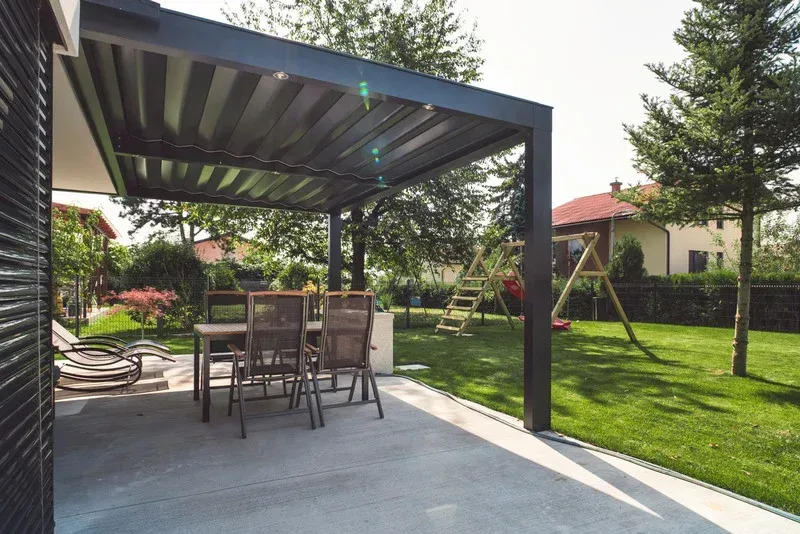
Overview: Pergolas are open-beam structures that create a sense of enclosure without fully blocking sunlight. Their slatted or louvered tops provide partial shade, ideal for homeowners who want airflow and a light, natural feel rather than full coverage.
Ideal Use: Pergolas suit outdoor dining, garden walkways, and poolside areas where dappled sunlight enhances the ambiance. They can support climbing plants or retractable canopies, turning a simple frame into a lush focal point.
Material Options
- Wood: Timeless but high-maintenance; needs sealing to resist rot.
- Vinyl: Low upkeep but limited colors.
- Aluminum: The most versatile—resists corrosion, matches any design, and is easily customized for louvered or motorized systems.
Pro Tip: Professional installation ensures proper footing, alignment, and secure beam connections—key to preventing sagging or warping over time, especially in climates with wind or moisture.
Gazebos
Overview: Gazebos are fully roofed, freestanding pavilions, often octagonal or rectangular, that serve as architectural centerpieces. Their enclosed design provides complete protection from sun and rain, making them perfect for all-weather relaxation or outdoor dining.
Features:
- Customizable roofs (shingle, metal, or polycarbonate).
- Can integrate lighting, fans, or screens for insect protection.
- Works best as a standalone retreat in larger yards.
Installation Insight: A professional crew ensures your gazebo’s foundations are leveled, anchors meet load codes, and roof panels are sealed against leaks—critical for maintaining structural integrity and safety.
Patio Awnings
Overview: Awnings project outward from walls or fascia boards, offering adjustable shade. Models can be fixed or retractable, operated manually or motorized with sensors for sun and wind.
Materials: High-quality fabrics, powder-coated aluminum frames, or polycarbonate sheets. Motorized aluminum awnings combine modern convenience with resilience.
Best For: Smaller patios, doorways, or windows where adjustable shading is preferred.
Professional Advantage: While DIY awnings exist, motorized systems require correct electrical wiring, pitch alignment, and waterproof mounting—tasks best left to licensed installers to ensure safety and manufacturer warranty compliance.
Solid Roof Patio Covers
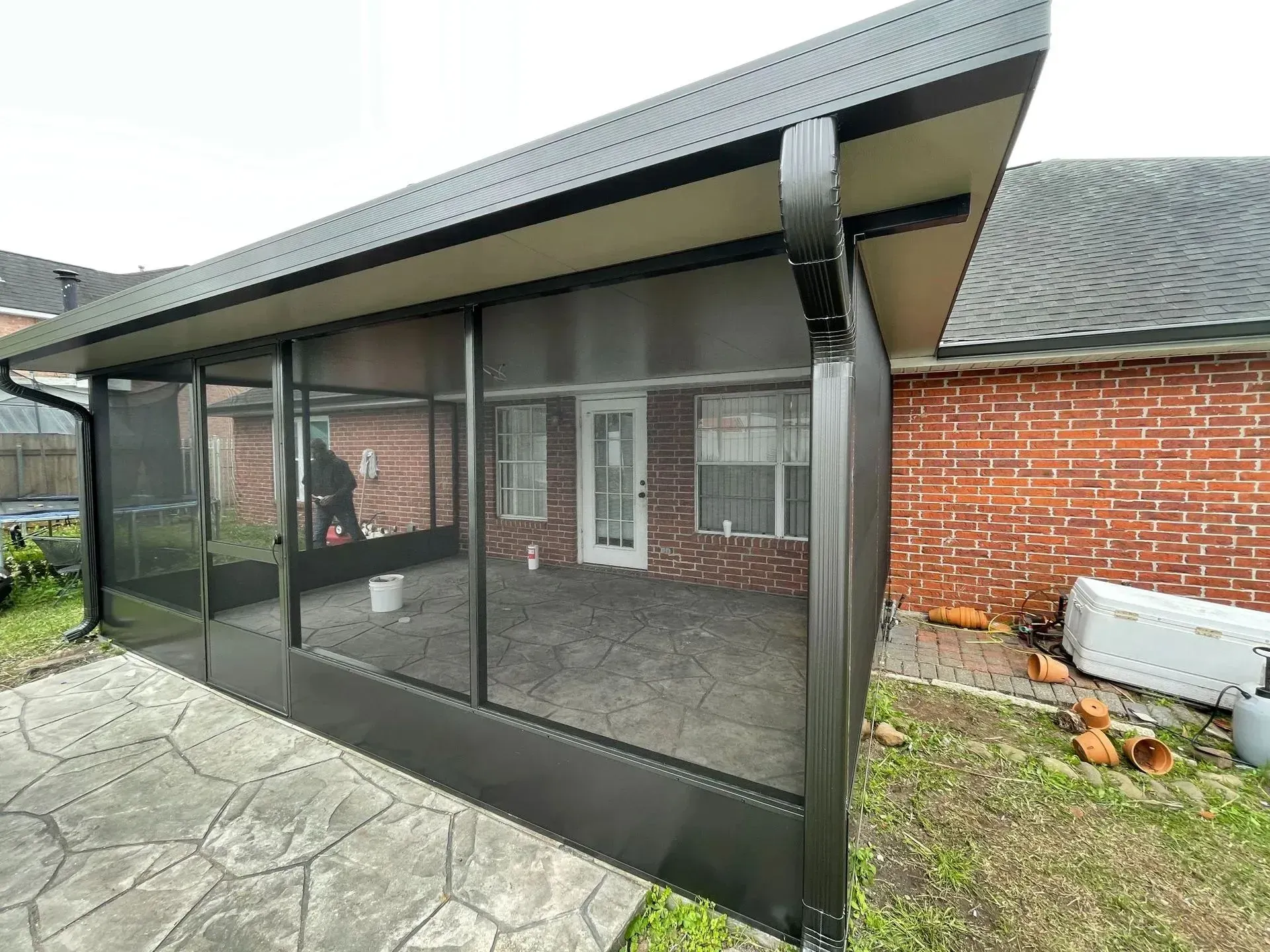
Overview: Solid roof patio covers deliver complete protection from sun, rain, and debris. They transform outdoor areas into comfortable, usable living spaces in all seasons.
Roof Styles: Flat, gabled, or sloped; can include skylights or polycarbonate inserts for natural light.
Material Comparison:
- Wood: Traditional but high maintenance.
- Steel: Strong but heavy and prone to rust.
- Aluminum (Insulated Panels): Lightweight, rustproof, thermally efficient, and customizable—the gold standard for long-lasting, low-maintenance patio structures.
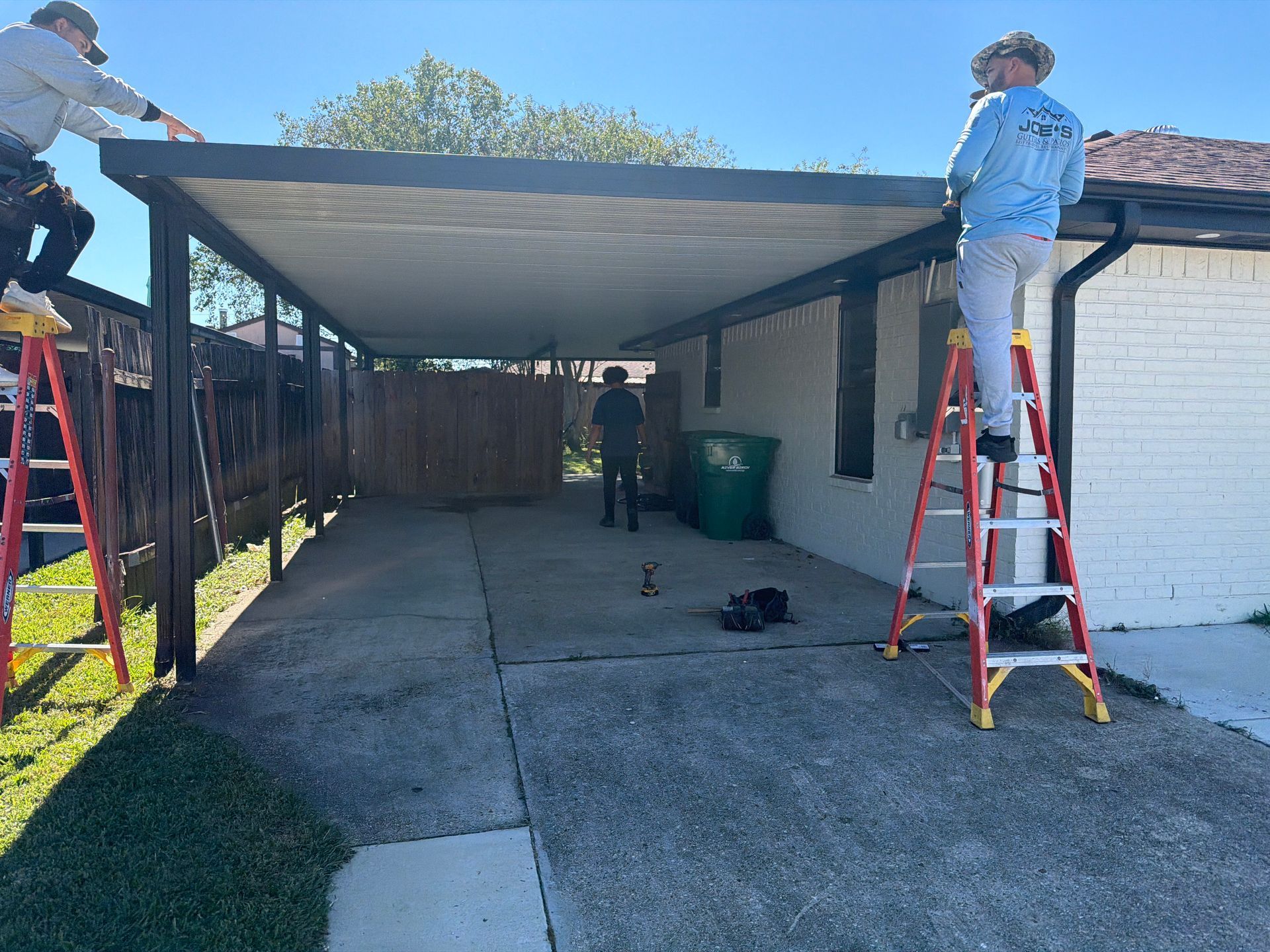
Why Professional Installation Matters: Solid covers tie into your home’s structure, which means flashing, drainage, and load-bearing calculations must meet building code. Professionals handle these details to prevent leaks, structural shifting, or costly water damage later.
Lattice Covers
Overview: Lattice covers feature an open grid design that filters light while maintaining ventilation. They’re decorative, affordable, and ideal for spaces where you want partial sun exposure without a fully enclosed roof.
Materials: Aluminum and vinyl are the most durable; wood options look beautiful but require upkeep.
Key Benefit: Aluminum lattice systems can be combined with insulated panels for hybrid designs—giving you the best of both worlds: light diffusion and all-weather protection.
Why Go Pro: Expert installers ensure uniform spacing, balanced loads, and proper anchoring so your lattice remains level and durable despite weather changes.
Key Features to Compare
Shade and Sun Protection
Solid aluminum patio covers provide maximum sun and UV protection, outperforming lattice or pergola options in hot climates. Insulated aluminum roofs reflect heat and reduce interior cooling costs—an advantage both for comfort and energy efficiency.
Retractable awnings or louvered pergolas allow adjustable shading, but professional installation ensures motors, sensors, and controls function safely and reliably.
Weather Resistance
- Aluminum resists rust, corrosion, and insect damage.
- Wood can warp, rot, or crack under humidity.
- Steel needs protective coatings to prevent rust.
Professionally installed aluminum systems are engineered for wind and rain loads, ensuring secure connections and proper drainage, critical for storm-prone regions.
Versatility & Modular Options
Aluminum structures offer unparalleled customization: add ceiling fans, LED lighting, or retractable privacy screens. Professionals can integrate electrical lines discreetly and install mounts for heaters or sound systems without compromising the structure’s warranty.
Wood
Beautiful but labor-intensive. Wood’s appeal lies in its natural warmth and custom potential, but it demands consistent staining, sealing, and pest control. Professionals can mitigate some issues by using pressure-treated lumber and weather-rated finishes, though lifetime costs remain high.
Steel
Steel is tough and ideal for high-wind areas, but it’s heavy, expensive to install, and susceptible to rust if coatings are breached. Professional assembly is essential to handle its weight and welding requirements safely.
Vinyl & Composites
Vinyl offers a budget-friendly, no-paint option but can crack in extreme cold or discolor under UV exposure. Composites are more stable and eco-friendly, blending recycled materials, but they can fade and retain heat. Both benefit from professional framing and anchoring to ensure longevity.
Climate and Environmental Considerations
Hot Climates
Aluminum’s reflective finish and insulation keep patios cool. Professionals can design roofs with ventilation gaps or ceiling fans to enhance airflow.
Cold & Snow Regions
Aluminum handles freeze-thaw cycles without cracking. Pro installers calculate snow load capacity and ensure proper slope for runoff.
Humid or Coastal Areas
Aluminum’s corrosion resistance is unmatched—no rust, no rot, no warping. Professionals use stainless fasteners and sealants to combat salt exposure.
Green/Eco-Friendly Options
Aluminum is 100% recyclable and often made from recycled content. It’s an eco-friendly choice that lasts for decades with minimal environmental impact.
Conclusion
When comparing patio cover structures, consider how form, function, and durability align with your lifestyle. Pergolas offer openness, gazebos provide enclosure, awnings bring flexibility, and solid roof covers maximize all-weather comfort.
Among all materials, aluminum stands above the rest—resilient, lightweight, stylish, and maintenance-free. Paired with professional installation, it guarantees decades of protection, performance, and peace of mind.
A skilled installer ensures your patio cover isn’t just beautiful—it’s engineered for safety, efficiency, and value. Investing in a professionally built aluminum patio cover is the smart way to elevate your outdoor space with confidence and quality.
Recent Posts