Pros and Cons of Popular Patio Cover Materials
Introduction to Patio Cover Materials
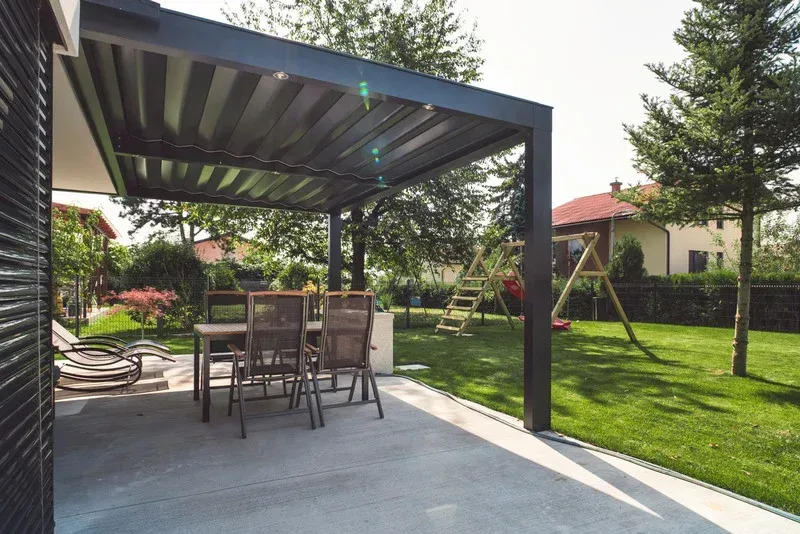
A patio cover is a protective structure designed to extend your living space outdoors. It provides shade, shelter, and year-round comfort, making patios, decks, and poolside areas more usable in every season. From solid roofs that block rain to open lattice designs that filter sunlight, patio covers enhance both function and style.
Homeowners install them for comfort, energy savings, and added property value. Whether you prefer the classic look of wood or the modern appeal of aluminum, material choice defines how your cover performs over time.
Importance of Material Choice
Your material selection is the foundation of your investment. It impacts durability, maintenance, appearance, and total cost of ownership. A cover built with high-quality aluminum can last decades with little upkeep, while wood or fabric options may require constant maintenance or replacement.
Climate, local weather, budget, and lifestyle should guide your choice. For humid or coastal areas, aluminum patio covers stand out because they resist rust, rot, and insects while maintaining a sleek, modern appearance.
Wood Patio Covers
Wood remains a traditional favorite, especially cedar, redwood, and pressure-treated pine. These species resist insects and rot naturally, though they still require sealing and staining.
Pros of Wood
- Natural warmth and texture unmatched by synthetic materials.
- Easy to customize and refinish with stains or paint.
- Complements rustic or craftsman-style homes.
Cons of Wood
- Requires regular sealing, painting, or staining to prevent rot.
- Vulnerable to warping, cracking, and termite damage.
- High humidity or rain can drastically reduce lifespan.
Maintenance and Longevity
Even with diligent care, expect 15–20 years before major repairs or replacement. Neglected wood may deteriorate in as little as 5–10 years.
Cost Considerations
Wood patio covers average $40–$85 per square foot installed. Add the ongoing cost of maintenance—painting, staining, and pest treatments—and total ownership cost climbs quickly.
While wood is beautiful, it’s labor-intensive and weather-sensitive, making aluminum a more practical long-term choice for many climates.
Aluminum Patio Covers
Types of Aluminum Covers
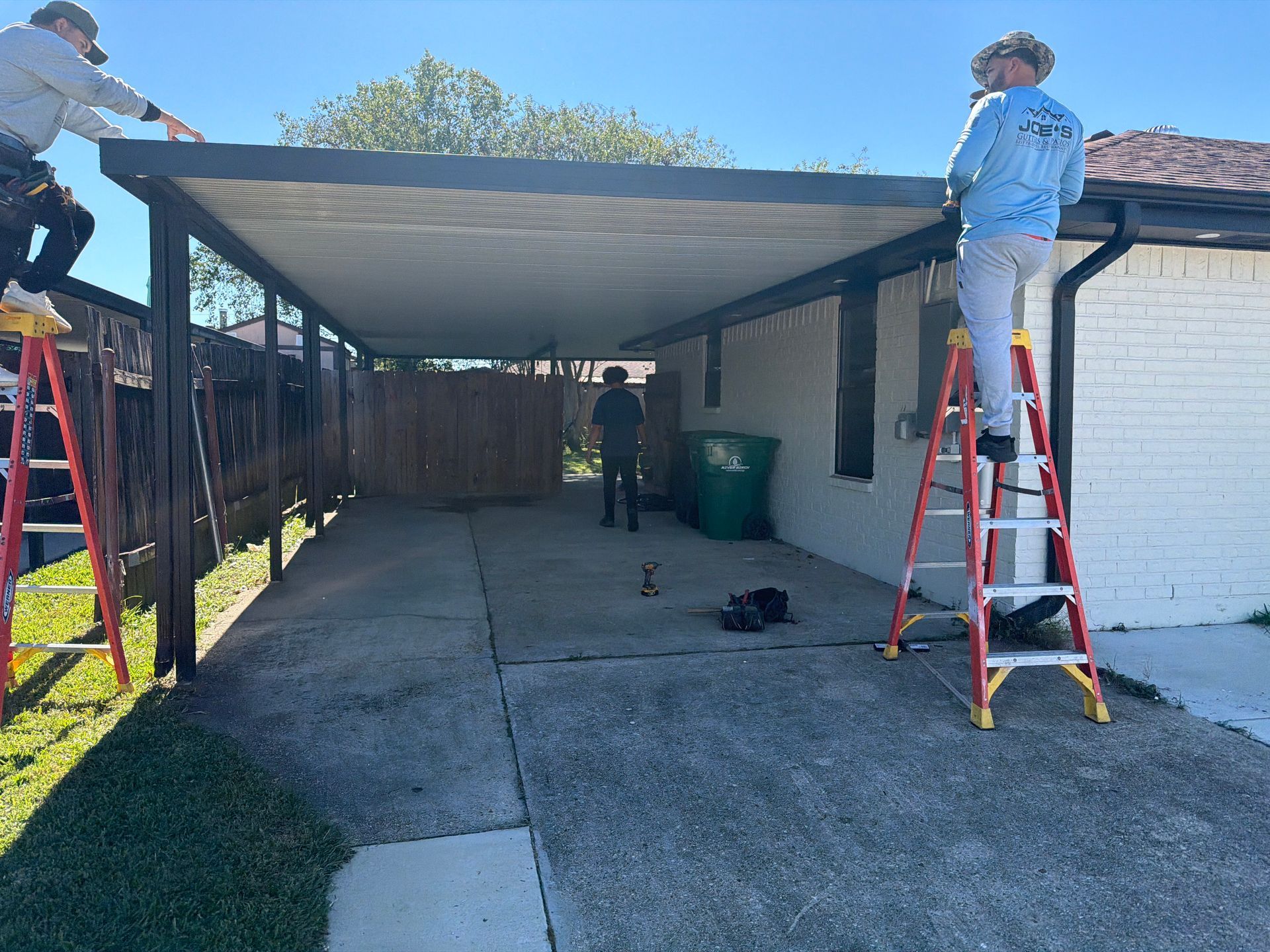
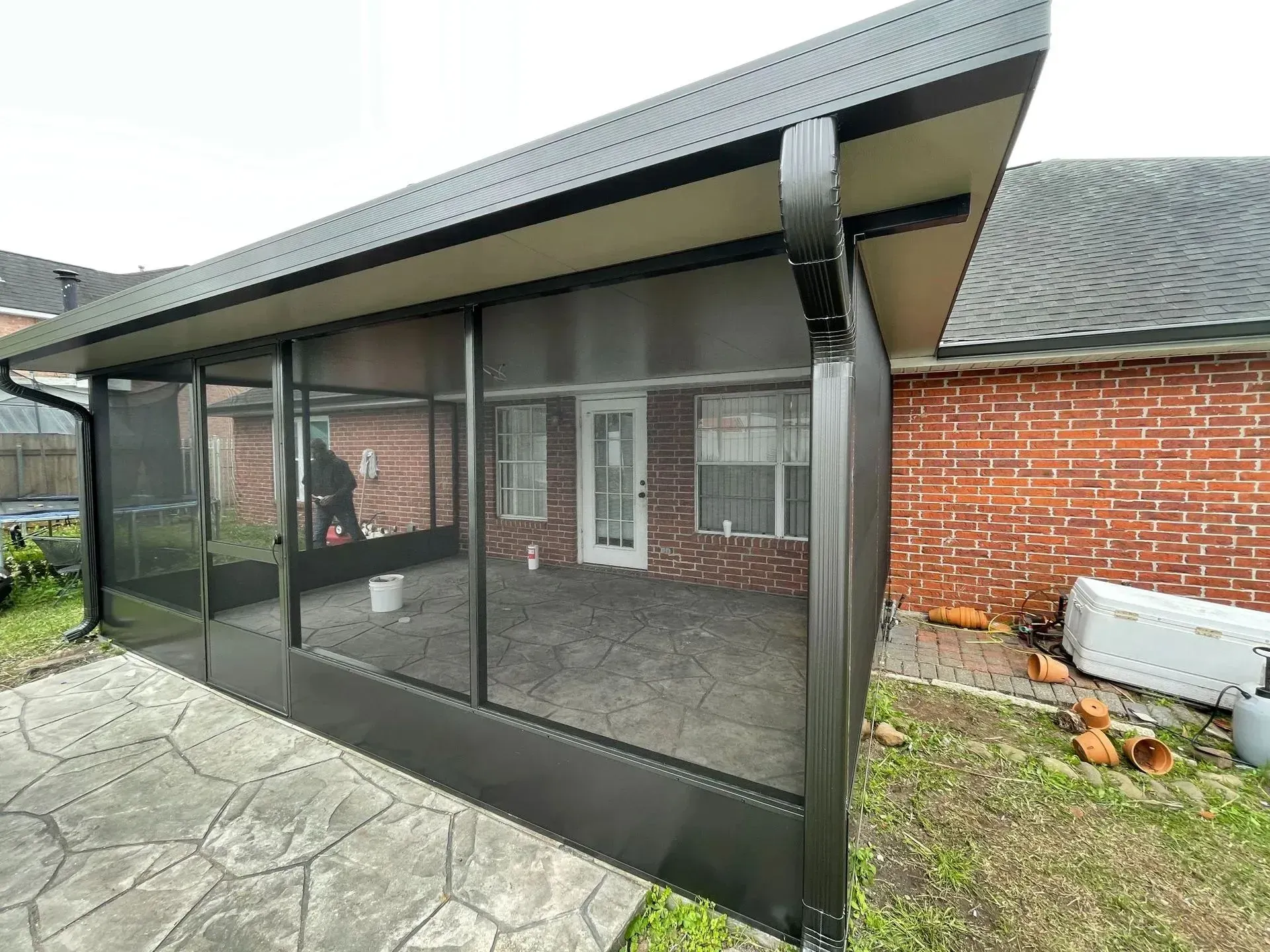
Aluminum covers come in multiple configurations:
- Solid covers: full rain and UV protection.
- Lattice covers: allow filtered light and airflow.
- Insulated roof panels: regulate temperature and reduce noise.
Aluminum’s design flexibility suits everything from modern minimalist homes to traditional suburban patios.
Pros of Aluminum
- Exceptional durability: resistant to rust, rot, insects, and fading.
- Low maintenance: no sealing, repainting, or warping—ever.
- Lightweight yet strong: easy to install and structurally efficient.
- Weatherproof: performs well in coastal, humid, or storm-prone areas.
- Energy efficiency: insulated options help regulate temperature and reduce cooling costs.
- Custom finishes: powder coating, baked enamel, and faux woodgrain textures match any home aesthetic.
Cons of Aluminum
- Can dent if struck by heavy objects.
- Some may find the metallic appearance less “organic” than wood (though modern finishes solve this).
- Conducts heat in direct sun unless insulated panels are used.
Maintenance and Longevity
- Can dent if struck by heavy objects.
- Some may find the metallic appearance less “organic” than wood (though modern finishes solve this).
- Conducts heat in direct sun unless insulated panels are used.
Cost Considerations
Aluminum patio covers generally cost $25–$70 per square foot depending on design and insulation. Though slightly higher than vinyl initially, aluminum offers the lowest lifetime cost thanks to near-zero maintenance and superior durability.
For homeowners who want worry-free protection and long-term value, aluminum is the clear front-runner among patio cover materials
Vinyl Patio Covers
Types of Vinyl Systems
Vinyl systems use hollow or reinforced panels that can mimic wood or aluminum designs. They come in solid, lattice, and combination layouts.
Pros of Vinyl
- Low maintenance: no paint or stain required.
- Moisture-resistant: ideal for damp environments.
- Budget-friendly for basic coverage.
Cons of Vinyl
- Limited strength: often needs internal metal reinforcement.
- Can crack in cold weather or fade in extreme sun.
- Few color choices, mostly white or beige.
- Appearance can feel less premium than aluminum.
Maintenance and Longevity
Vinyl resists rot and corrosion but can yellow or become brittle over time. Expect 15–25 years with periodic cleaning.
Cost Considerations
Vinyl covers cost $20–$40 per square foot, appealing for budget installations but lacking the long-term resilience of aluminum.
Vinyl works for mild climates, but in hot or coastal regions, aluminum outlasts and outperforms it dramatically.
Fabric Patio Covers
Fabric Options Available
Fabrics include canvas, acrylic, polyester, and PVC-coated materials used in awnings or retractable canopies.
Pros of Fabric
- Versatile and portable.
- Wide variety of colors and styles.
- Easy to remove or replace seasonally.
Cons of Fabric
- Short lifespan: prone to tears, mildew, and UV fading.
- Offers minimal rain or wind protection.
- Must be removed in storms to avoid damage.
Maintenance and Longevity
Fabric covers last 5–10 years, requiring cleaning and winter storage.
Cost Considerations
At $10–$35 per square foot, fabric is affordable initially but needs frequent replacement, making aluminum more cost-effective over time.
Maintenance and Longevity
Needs annual upkeep, water repellents, and insect control. Typically lasts 2–5 years at best.
Steel and Metal Patio Covers
Types of Metal Options
Heavier metals like galvanized steel, iron, or zinc-coated alloys are occasionally used for ultra-durable patio covers.
Pros of Metal
- High structural strength for large spans.
- Excellent wind resistance.
- Minimal pest or fire risk.
Cons of Metal
- Heavy and expensive to install.
- Can rust if coatings chip or corrode.
- Industrial appearance may clash with residential aesthetics.
Maintenance and Longevity
Steel requires periodic repainting or anti-rust treatments. Properly coated, it lasts 30–40 years, but aluminum achieves similar longevity with less upkeep.
Cost Considerations
Expect $45–$90 per square foot installed. For most homeowners, aluminum delivers comparable durability at a fraction of the maintenance cost.
Composite Patio Covers
Composite Material Options
Composites blend wood fibers and recycled plastics for the look of wood with added resistance to decay.
Pros of Composite
- Eco-friendly and recyclable.
- Won’t rot or attract insects.
- Easy to clean and maintain.
Cons of Composite
- High upfront cost.
- Can fade or trap heat in direct sun.
- Limited color-change flexibility after installation.
Maintenance and Longevity
Composites need only occasional cleaning and typically last 25–30 years.
Cost Considerations
Installed cost runs $40–$80 per square foot, often exceeding aluminum, though both share low-maintenance appeal.
Polycarbonate and Plastic Covers
Types of Polycarbonate Covers
These lightweight translucent panels come in solid or twin-wall styles, often tinted or UV-coated.
Pros of Polycarbonate
- Excellent light transmission with UV blocking.
- Impact-resistant and lightweight.
- Great for modern, airy designs.
Cons of Polycarbonate
- Can yellow or haze over time.
- Susceptible to condensation and scratches.
- Not as structurally rigid as metal.
Maintenance and Longevity
Panels need gentle cleaning to avoid abrasion. Expect 15–20 years of clarity and strength.
Cost Considerations
Costs range from $25–$55 per square foot, a mid-range alternative that still lacks the strength and permanence of aluminum.
Natural Material Covers (Bamboo, Thatch, etc.)
Types of Natural Materials
Bamboo poles, palm thatch, and reeds bring tropical flair and natural cooling.
Pros of Natural Materials
- Renewable and eco-friendly.
- Instantly creates a relaxed, rustic atmosphere.
- Quick, affordable installation
Cons of Natural Materials
- Short lifespan: easily damaged by wind and rain.
- Requires frequent re-thatching.
- Vulnerable to pests and fire.
Maintenance and Longevity
Needs annual upkeep, water repellents, and insect control. Typically lasts 2–5 years at best.
Cost Considerations
Initial cost is low ($10–$25 per square foot), but frequent replacement makes it a temporary solution.
Conclusion
Each patio cover material offers unique strengths, but aluminum rises above the rest in almost every category that matters: durability, weather resistance, maintenance, and long-term cost-effectiveness.
- Wood looks beautiful but demands constant care.
- Vinyl and fabric are affordable but lack endurance.
- Steel is strong yet heavy and prone to rust.
- Composites and polycarbonate panels have niche appeal but limited versatility.
Recent Posts