The Complete Guide to Downspouts: Placement, Types, and Maintenance
Downspouts may seem like a small part of your gutter system, but they play a critical role in protecting your home from water damage. While gutters collect rainwater from the roof, downspouts are responsible for directing that water safely away from your home’s foundation. Without properly installed and maintained downspouts, even the best gutter system can fail.
In climates like Louisiana, where heavy rainfall and storms are frequent, efficient drainage is essential. Poor downspout placement or neglect can lead to water pooling, soil erosion, and structural damage. This guide covers everything homeowners need to know about downspouts, including types, proper placement, and maintenance best practices.
Why Downspouts Are Essential for Your Home
Downspouts complete the gutter system by channeling water from the roof to the ground and away from the home. Without them, rainwater would overflow or collect near the foundation, increasing the risk of damage.
Properly functioning downspouts help:
- Prevent foundation cracks and shifting.
- Protect siding and exterior walls.
- Reduce soil erosion around the home.
- Minimize the risk of basement or crawl space flooding.
They are a key component in maintaining the structural integrity of your property.
How Downspouts Work with Your Gutter System
Gutters collect water as it flows off the roof and direct it toward designated exit points. Downspouts are installed at these points to carry water downward and away from the home.
For the system to work effectively:
- Gutters must have the correct slope toward downspouts.
- Downspouts must be properly sized for water volume.
- Extensions must carry water far enough from the foundation.
When all components work together, water is safely redirected without causing damage.
Types of Downspouts
There are several types of downspouts available, each designed to suit different needs and home styles.
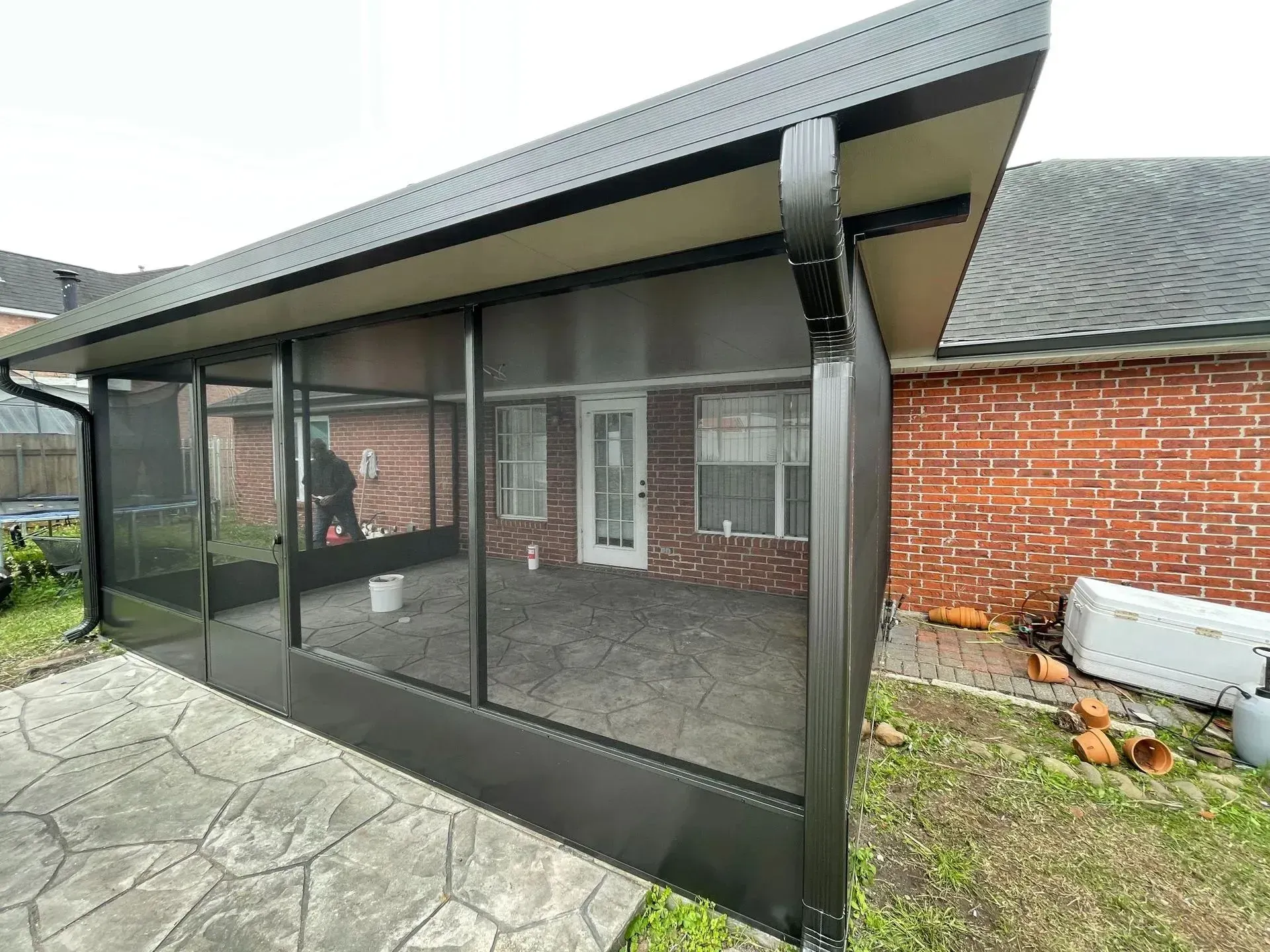
Standard Rectangular Downspouts
These are the most common type, typically paired with K-style gutters. They are efficient, easy to install, and suitable for most residential properties.
Round Downspouts
Often used with half-round gutters, round downspouts offer a more decorative appearance. They are commonly chosen for homes with traditional or historic designs.
Round Downspouts
Often used with half-round gutters, round downspouts offer a more decorative appearance. They are commonly chosen for homes with traditional or historic designs.
Corrugated Downspouts
These flexible options are often used for extensions or temporary solutions. While practical, they are less visually appealing and may not be as durable as rigid systems.
Decorative Downspouts
Some homeowners choose decorative designs, such as rain chains, to enhance curb appeal. While visually appealing, they may not handle heavy rainfall as effectively as traditional systems.
Proper Downspout Placement
Placement is one of the most important factors in ensuring effective drainage. Incorrect positioning can lead to water pooling and long-term structural issues.
Key placement guidelines include:
- Installing downspouts at appropriate intervals along the gutter system.
- Positioning them at corners or low points where water naturally flows.
- Ensuring they direct water away from entryways and walkways.
For larger roofs or areas with heavy rainfall, additional downspouts may be required to handle increased water volume.
Extending Water Away from the Foundation
One of the most common mistakes homeowners make is not extending downspouts far enough from the home. Simply directing water to the base of the wall is not enough.
Effective solutions include:
- Downspout extensions that carry water several feet away.
- Splash blocks to disperse water flow.
- Underground drainage systems for long-term control.
Proper extension helps prevent soil saturation and reduces the risk of foundation damage.
Choosing the Right Size and Material
Downspouts must be appropriately sized to handle the volume of water coming from your roof. Undersized downspouts can lead to overflow and reduced efficiency.
Common materials include:
- Aluminium (lightweight, rust-resistant, and durable)
- Copper (long-lasting with a premium appearance)
- Steel (strong but more prone to corrosion without proper coating)
In humid climates like Louisiana, aluminium is often the preferred choice due to its resistance to rust and low maintenance needs.
Common Downspout Problems
Over time, downspouts can develop issues that affect performance. Identifying and addressing these problems early helps prevent more serious damage.
Common issues include:
- Clogs caused by leaves and debris.
- Loose connections or detachment.
- Cracks or leaks in the material.
- Improper slope or alignment.
Regular inspection ensures these problems are resolved before they escalate.
Maintenance Tips for Long-Term Performance
Keeping downspouts in good condition is essential for maintaining an effective drainage system. Regular maintenance helps prevent clogs and ensures consistent water flow.
Best practices include:
- Cleaning gutters and downspouts regularly.
- Checking for blockages after storms.
- Inspecting connections and brackets.
- Ensuring extensions remain properly positioned.
Routine care extends the lifespan of your system and reduces the need for costly repairs.
Preparing for Heavy Rain and Storms
Louisiana weather often includes sudden downpours and severe storms. Downspouts must be able to handle large volumes of water without failing.
Preparation includes:
- Ensuring all downspouts are clear of debris.
- Checking that extensions are secure.
- Verifying proper water flow during rainfall.
A well-maintained system provides reliable performance even during extreme weather conditions.
The Benefits of Professional Installation
While some homeowners attempt to install or adjust downspouts themselves, professional installation ensures optimal performance. Proper placement, sizing, and alignment require experience and precision.
Professional services help:
- Design an efficient drainage layout.
- Prevent common installation mistakes.
- Ensure compliance with local conditions.
This results in a system that performs reliably and protects your home effectively.
Professional Downspout Solutions in Louisiana
At Joe’s Patios & Gutters, we understand the importance of proper drainage for Louisiana homes. Our team designs and installs downspout systems that work seamlessly with your gutters to provide dependable water management.
From placement and sizing to maintenance and upgrades, we ensure every component is built for long-term performance in demanding weather conditions.
Building a Complete Drainage System
Downspouts are a vital part of your home’s overall protection system. When properly installed and maintained, they help safeguard your foundation, landscaping, and structural integrity.
By understanding how downspouts work and taking the right steps to maintain them, homeowners can prevent costly damage and ensure reliable performance year-round. A well-designed drainage system not only protects your home but also adds to its long-term value and durability.
Recent Posts