Sectional vs. Seamless Gutters in Humid Climates: Why Joints Fail Faster in Louisiana
Humid coastal and subtropical regions place continuous stress on residential and commercial drainage systems, making gutter performance a critical factor in long-term property protection. In areas like Louisiana, where heavy rainfall, high humidity, and frequent storms are part of the climate cycle, gutter systems must endure constant expansion, moisture exposure, and organic buildup. These conditions significantly influence how different gutter types perform over time, especially when comparing sectional and seamless designs. Understanding these differences is essential for preventing water damage, structural deterioration, and costly repairs.
The debate between sectional and seamless gutters becomes particularly important in climates where moisture levels remain high for most of the year. While both systems are designed to channel rainwater away from structures, their construction methods directly affect durability and maintenance requirements. Sectional gutters rely on multiple joints that can weaken under persistent humidity, while seamless systems reduce potential failure points. For property owners, contractors, and inspectors, recognizing how environmental stress impacts gutter longevity is key to making informed installation decisions. This discussion highlights why joint failure occurs more rapidly in humid environments and how material choice and design influence overall drainage performance in Louisiana’s demanding weather conditions.
1. Climate Pressure on Gutter Systems in Louisiana
High Humidity and Continuous Moisture Exposure
Louisiana’s climate maintains high humidity levels for most of the year, which means gutter systems rarely fully dry out at any stage. Constant moisture accelerates material fatigue, especially in metal components exposed to oxidation over extended periods. This environment creates ideal conditions for corrosion and sealant breakdown, reducing overall system lifespan significantly in outdoor installations.
Heavy Rainfall and Storm Frequency
Frequent storms increase water volume within gutters, placing intense pressure on seams and fasteners during peak rainfall events. Sudden downpours overwhelm weaker systems, causing overflow at joints and structural weak points in critical areas. Over time, repeated stress leads to structural weakening, alignment issues, and reduced drainage efficiency across the entire system.
2. Structural Limitations of Sectional Gutters
Multiple Joint Weak Points
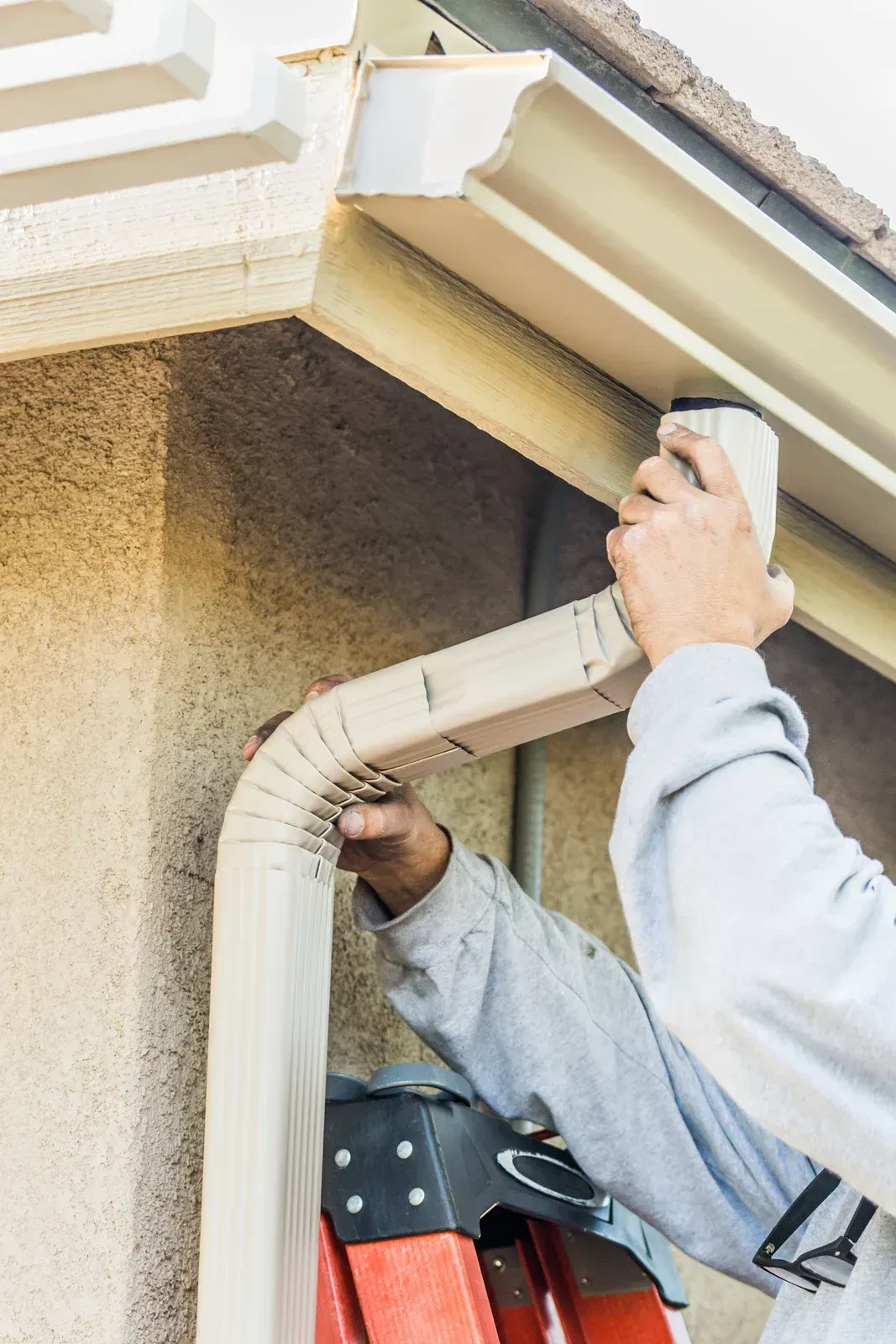
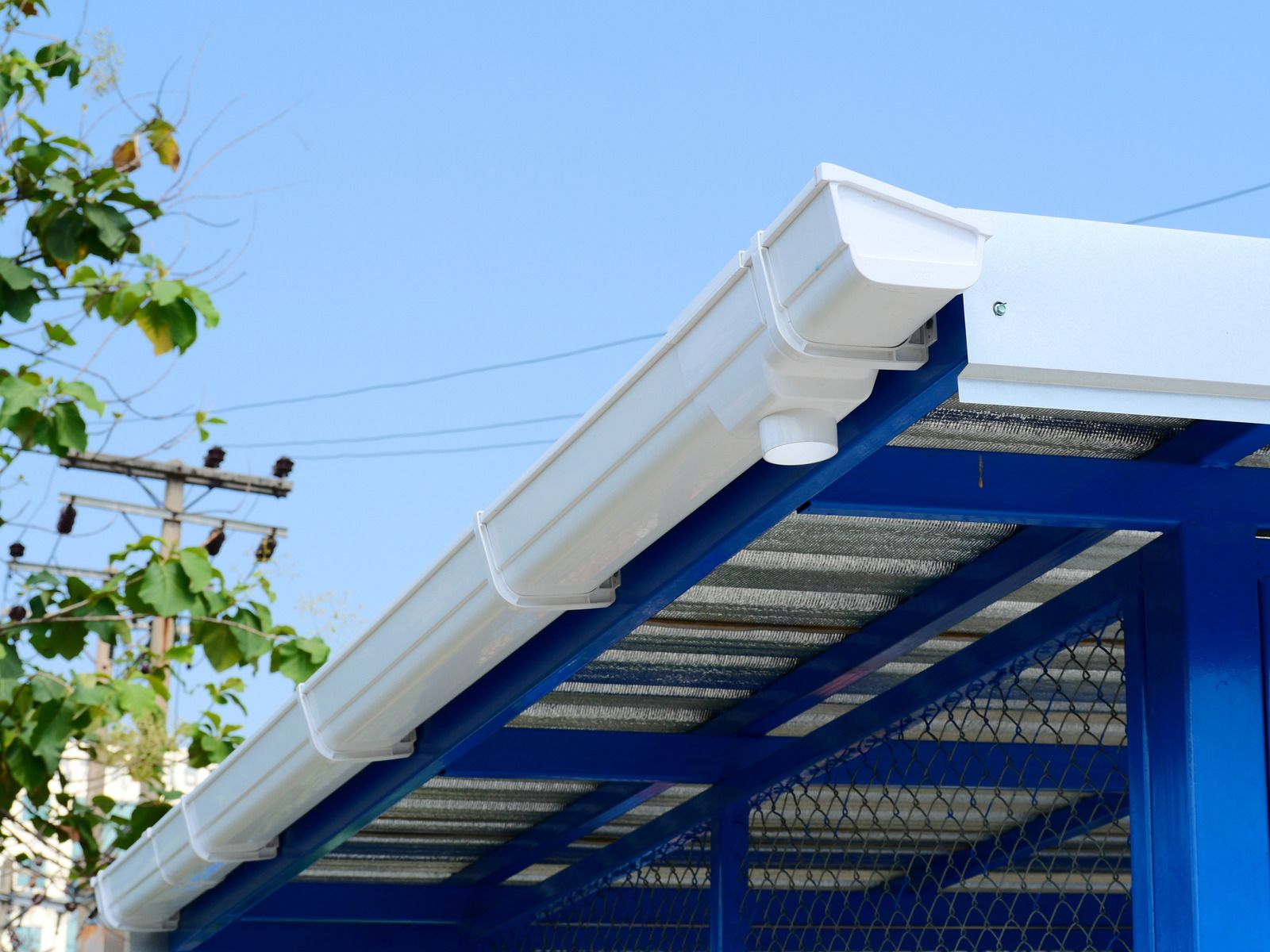
Sectional gutters are assembled in smaller pieces, joined together during installation across multiple connection points. Each connection becomes a potential failure point where leaks can develop and worsen over time. In humid climates, sealants degrade faster, reducing overall system reliability and increasing maintenance requirements significantly.
Expansion and Contraction Issues
Temperature fluctuations cause materials to expand and contract repeatedly throughout seasonal changes in outdoor environments. In sectional systems, this movement stresses joints, leading to separation, warping, or cracking along connection lines. Over time, even minor gaps allow water intrusion behind fascia boards and surrounding structural elements.
3. Seamless Gutters and Reduced Failure Risk
Continuous Design Advantage
Seamless gutters are formed from a single continuous piece of material, eliminating most joints along straight runs entirely. This design significantly reduces leak risks and minimizes maintenance requirements in moisture-heavy and storm-prone environments consistently. Fewer weak points translate into improved structural reliability and long-term drainage performance overall.
Improved Long-Term Performance
With fewer connection points, seamless systems resist clogging, separation, and structural failure under heavy rainfall conditions effectively. This allows better water flow efficiency during intense storm events, which is essential in Louisiana’s unpredictable climate regions. Long-term performance remains more stable, reducing repair frequency and extending service life considerably.
4. Why Joints Fail Faster in Humid Climates
Sealant Breakdown from Moisture Exposure
High humidity continuously weakens adhesive compounds used in sectional joints over extended exposure periods in outdoor systems. Over time, sealants lose elasticity, allowing water penetration, leakage, and eventual joint separation in vulnerable areas. This degradation process accelerates significantly in climates with constant moisture saturation and limited drying cycles.
Organic Growth and Debris Accumulation
Warm, moist conditions promote algae, mold, and debris buildup inside gutter seams and joint intersections rapidly. This accumulation traps moisture at connection points, accelerating corrosion, blockage, and structural deterioration over extended periods. Reduced airflow and drainage efficiency further worsen long-term system performance and durability concerns.
Thermal Stress and Material Fatigue
Heat combined with humidity creates constant expansion and contraction cycles throughout daily environmental changes consistently. Repeated movement weakens joint integrity, especially in older sectional systems lacking flexible reinforcement or modern materials. Over time, this results in cracks, separations, and reduced structural stability across gutter connections.
5. Maintenance Practices and Material Selection
Regular Inspection and Cleaning
Frequent cleaning prevents debris buildup at joints, reducing the risk of blockage and overflow during heavy rainfall events. Inspection helps identify early signs of seal failure, corrosion, or misalignment before major structural damage occurs. Consistent maintenance significantly improves system efficiency and extends overall gutter lifespan in humid environments.
Choosing Durable Materials
Aluminum and high-grade coated metals perform better in humid environments compared to lower-grade steel materials over time. Material selection plays a major role in system longevity, corrosion resistance, and joint stability under continuous exposure. Stronger materials reduce maintenance needs and improve overall drainage reliability in harsh climates.
Installation Quality and Slope Accuracy
Proper installation ensures water flows efficiently without pooling at seams or low points along gutter runs consistently. Accurate slope alignment reduces stress on joints and prevents premature wear in both sectional and seamless systems. High-quality installation practices significantly improve long-term durability and overall drainage performance across all weather conditions.
Trusted Gutter Experts Delivering Reliable Protection
In humid climates like Louisiana, gutter performance depends heavily on design integrity and resistance to moisture-related stress. Sectional systems often struggle due to joint vulnerability, while seamless designs offer improved durability and reduced leakage risk. Understanding how environmental conditions impact material behavior helps in selecting the right system for long-term protection. Proper maintenance and material choice further enhance system reliability and reduce structural damage risks associated with heavy rainfall and constant humidity.
Joe's Gutters & Patios
provides dependable gutter solutions across Louisiana with 20 years of experience in handling climate-specific drainage challenges. Strong installation practices, durable material selection, and attention to long-term performance define every project. Consistent focus remains on protecting properties from water damage through reliable, well-engineered gutter systems designed for regional weather demands.
Recent Posts