Insulated vs Non-Insulated Patio Covers: Which One is Better for Hot Climates?
A patio cover can transform your outdoor space into a comfortable and functional extension of your home. However, not all patio covers perform the same—especially in hot and humid climates like Louisiana. One of the most important decisions homeowners face is choosing between insulated and non-insulated patio covers.
While both options provide shade and protection, they differ significantly in temperature control, durability, and overall comfort. Understanding these differences helps homeowners choose a solution that not only looks great but also performs well in extreme weather conditions. In this guide, we’ll break down the key differences and help you determine which option is best for your home.
Why Your Choice Matters in Hot Climates
In regions with intense sunlight and high humidity, patio covers must do more than just block direct sunlight. Heat retention, airflow, and material performance all play a role in how comfortable your outdoor space feels.
A poorly chosen patio cover can:
- Trap heat underneath the structure.
- Make outdoor areas uncomfortable during peak hours.
- Increase indoor cooling costs.
The right choice, on the other hand, helps regulate temperature, improves usability, and enhances energy efficiency.
What Are Non-Insulated Patio Covers?
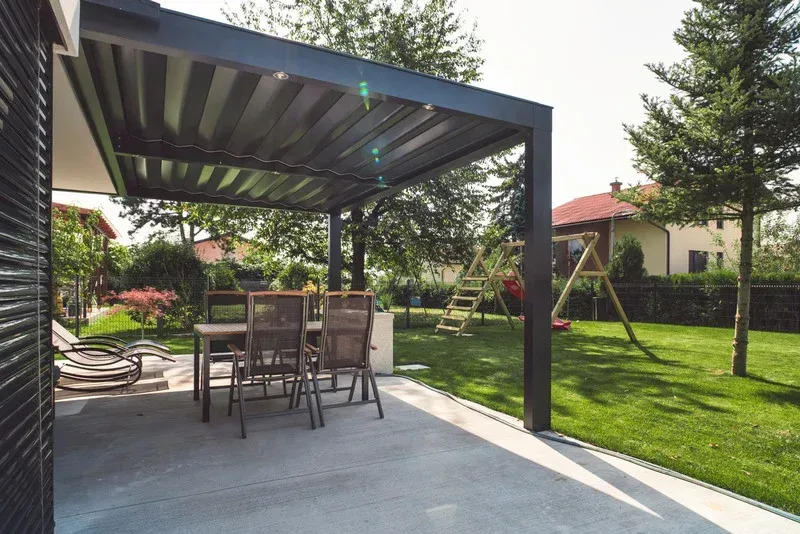
Non-insulated patio covers are typically made from single-layer aluminium panels. They are lightweight, cost-effective, and designed primarily to provide shade and basic protection from rain.
Benefits of Non-Insulated Patio Covers
- More affordable upfront cost.
- Quick and simple installation.
- Low maintenance requirements.
- Durable against rain and general weather exposure.
Limitations in Hot Weather
Because they consist of a single layer, non-insulated covers can absorb and transfer heat quickly. During hot days, the underside of the cover may become warm, making the space beneath less comfortable.
In Louisiana’s climate, this can limit how often the patio is used during peak summer hours.
What Are Insulated Patio Covers?
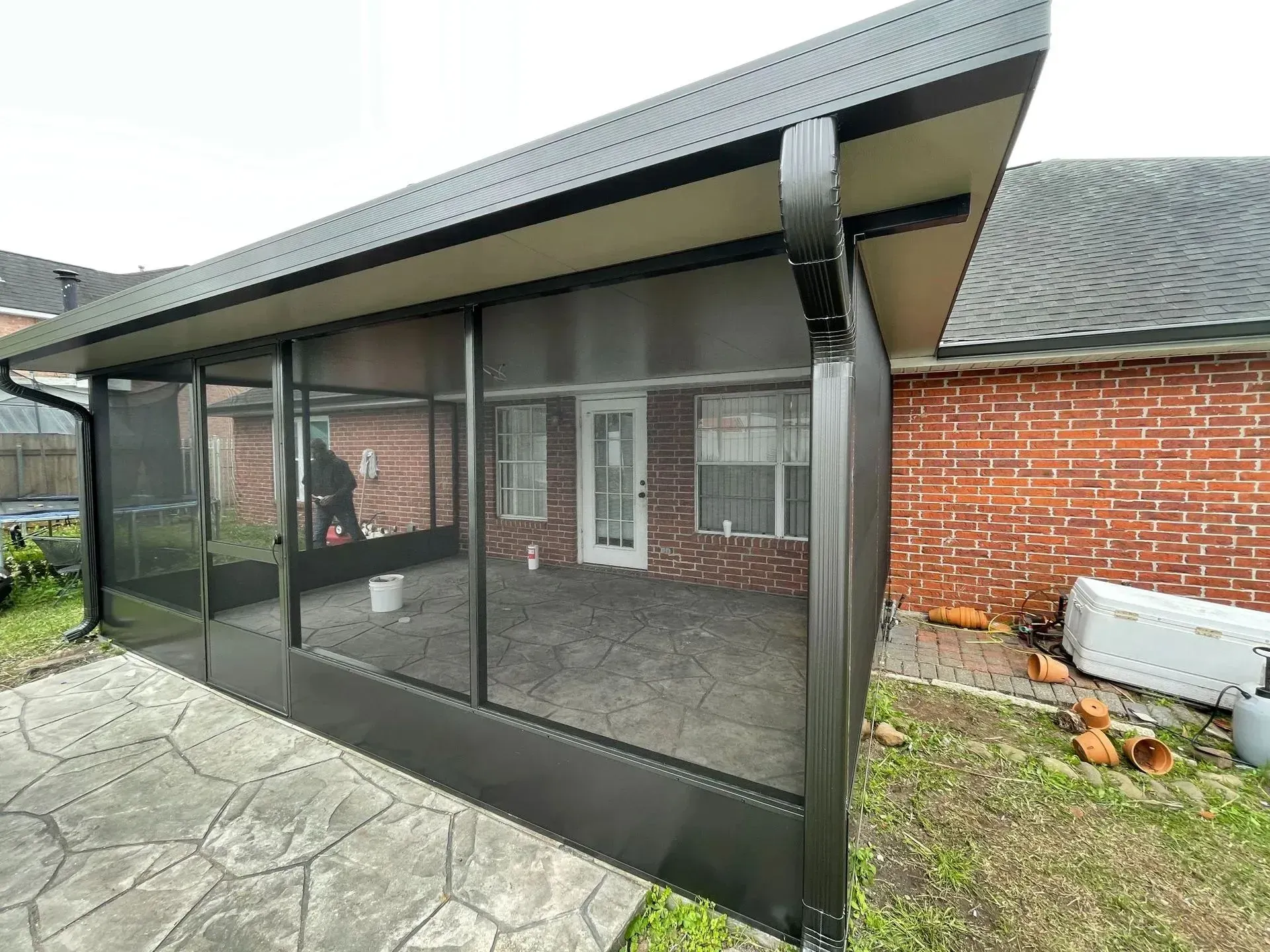
Insulated patio covers are constructed using layered panels, typically consisting of an insulating foam core sandwiched between two aluminium sheets. This design helps reduce heat transfer and improves overall comfort.
Benefits of Insulated Patio Covers
- Superior temperature control.
- Reduced heat transfer from sunlight.
- Quieter during rainstorms.
- Stronger and more rigid structure.
Why They Perform Better in Heat
The insulation layer acts as a barrier, preventing heat from passing through the cover. This keeps the area underneath significantly cooler compared to non-insulated options.
For homeowners who want to enjoy their patio throughout the day—even during summer—insulated covers provide a noticeable difference.
Comparing Comfort and Usability
Comfort is one of the biggest factors when choosing a patio cover. In hot climates, the ability to reduce heat buildup directly impacts how often the space is used.
Non-insulated covers provide shade, but they may still allow heat to radiate downward. Insulated covers, however, create a cooler environment that feels more like an indoor extension of your home.
This makes insulated patio covers ideal for:
- Outdoor dining areas.
- Entertainment spaces.
- Relaxation zones during the day.
Energy Efficiency and Indoor Impact
Patio covers don’t just affect outdoor comfort—they can also influence your home’s indoor temperature. By reducing the amount of direct sunlight hitting walls and windows, they help lower heat gain inside the home.
Insulated patio covers enhance this effect by:
- Blocking more heat from reaching exterior surfaces.
- Reducing strain on air conditioning systems.
- Improving overall energy efficiency.
Over time, this can contribute to lower cooling costs, especially during long summer seasons.
Durability and Weather Resistance
Louisiana weather includes heavy rain, humidity, and occasional strong winds. Patio covers must be built to handle these conditions without compromising performance.
Non-insulated covers are durable, but insulated panels offer additional strength due to their multi-layer construction. This added rigidity helps them:
- Resist bending or warping.
- Handle heavy rain more effectively.
- Maintain structural integrity over time.
Insulated covers also reduce noise during rainfall, creating a quieter and more comfortable outdoor experience.
Cost vs Long-Term Value
Budget is always an important consideration. Non-insulated patio covers are more affordable upfront, making them a popular choice for homeowners looking for a quick solution.
However, insulated patio covers often provide better long-term value due to:
- Increased comfort and usability.
- Improved energy efficiency.
- Longer lifespan and durability.
While the initial investment is higher, the added benefits can outweigh the cost over time.
Aesthetic Appeal and Design Options
Both insulated and non-insulated patio covers come in a variety of styles, colours, and finishes. However, insulated covers often provide a more polished and solid appearance due to their thickness and structure.
They can also support additional features such as:
- Ceiling fans.
- Lighting fixtures.
- Integrated design elements.
This makes insulated patio covers a better option for homeowners looking to create a fully functional outdoor living space.
Which Option Is Right for Your Home?
The best choice depends on your priorities, budget, and how you plan to use your outdoor space.
Choose a non-insulated patio cover if:
- You want a cost-effective solution.
- You primarily need shade and rain protection.
- You use the space occasionally.
Choose an insulated patio cover if:
- You want maximum comfort in hot weather.
- You plan to use the space frequently.
- You value energy efficiency and long-term durability.
In hot climates like Louisiana, many homeowners find that the added comfort of insulated patio covers makes them the better investment.
Professional Patio Cover Installation in Louisiana
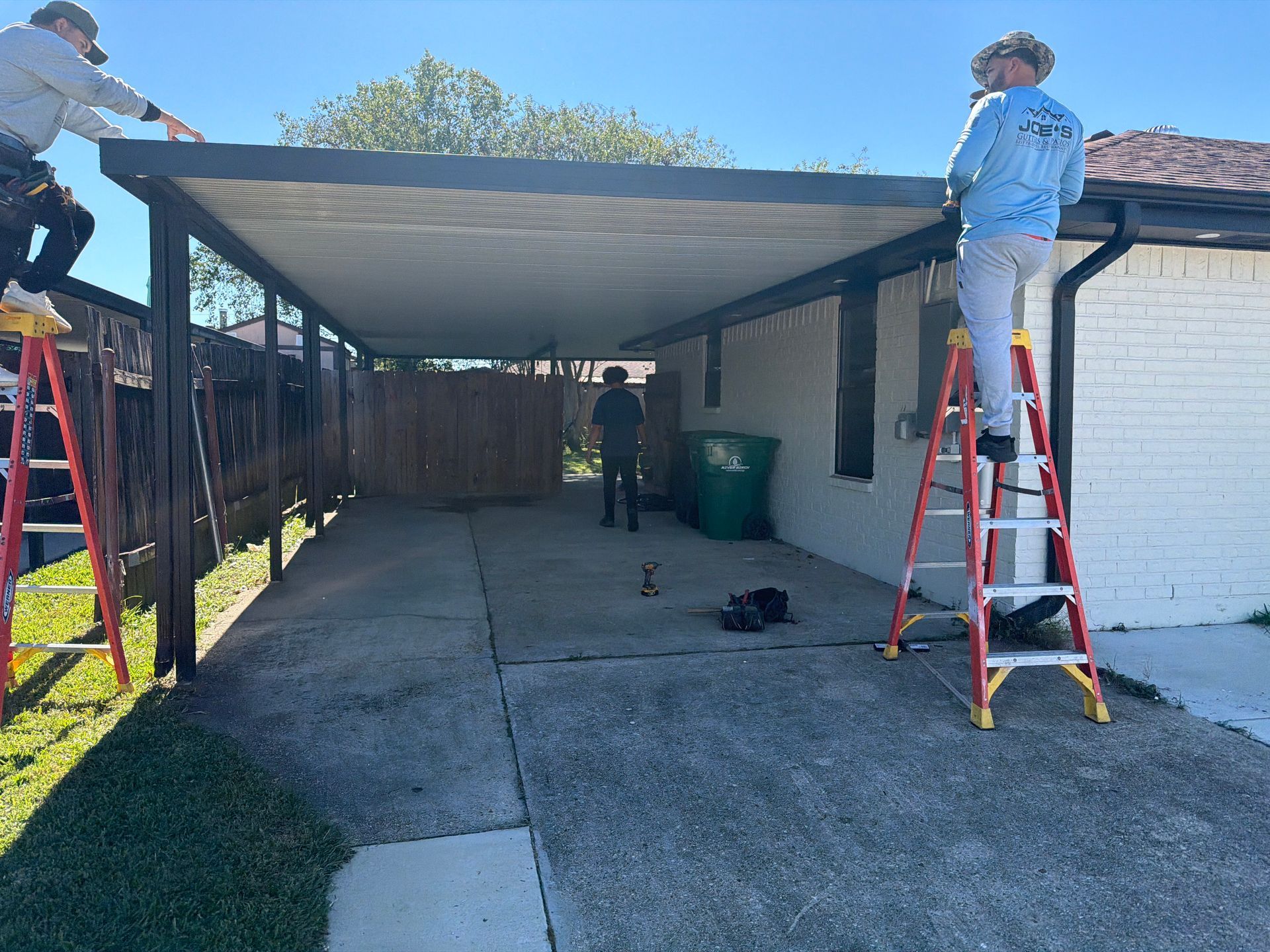
Choosing the right patio cover is only part of the process—proper installation is essential for long-term performance. Accurate measurements, secure mounting, and proper design all contribute to durability and efficiency.
At Joe’s Patios & Gutters, we help homeowners select and install patio covers that are built for Louisiana’s climate. Whether you’re considering an insulated upgrade or a more budget-friendly option, our team ensures every project is designed for comfort, performance, and lasting value.
Creating a Comfortable Outdoor Space Year-Round
A well-designed patio cover allows you to enjoy your outdoor space regardless of the weather. By choosing the right type of cover for your climate, you can create a space that stays cool, functional, and visually appealing.
Whether you prioritize affordability or long-term comfort, understanding the differences between insulated and non-insulated patio covers helps you make an informed decision. With the right solution in place, your patio becomes a space you can enjoy every day—not just when the weather allows.
Recent Posts