Customizing Your Patio Cover for Shade and Privacy
A patio cover does more than protect an outdoor space from sun and rain—it defines how comfortable, functional, and private that space feels. When thoughtfully customized, a patio cover can transform an open backyard into a shaded retreat, a private entertainment area, or a peaceful extension of your home. For homeowners in Louisiana, where strong sun, humidity, and close-set neighborhoods are common, customization plays an essential role in outdoor comfort.
Rather than choosing a one-size-fits-all solution, tailoring your patio cover for shade and privacy ensures it meets your specific lifestyle needs while blending seamlessly with your home’s architecture.
Understanding How Shade Impacts Outdoor Comfort
Shade is one of the primary reasons homeowners invest in patio covers. In Louisiana’s warm climate, direct sun exposure can make outdoor spaces uncomfortable for much of the day. A well-designed patio cover reduces heat buildup, protects outdoor furniture, and makes patios usable year-round.
Customization allows homeowners to control how much sunlight enters the space. Fixed roof designs provide consistent shade, while open or semi-open structures allow filtered light. The angle of the sun changes throughout the day, so understanding how your patio is oriented helps determine the best design for effective shade coverage.
Choosing the Right Roof Style for Shade Control
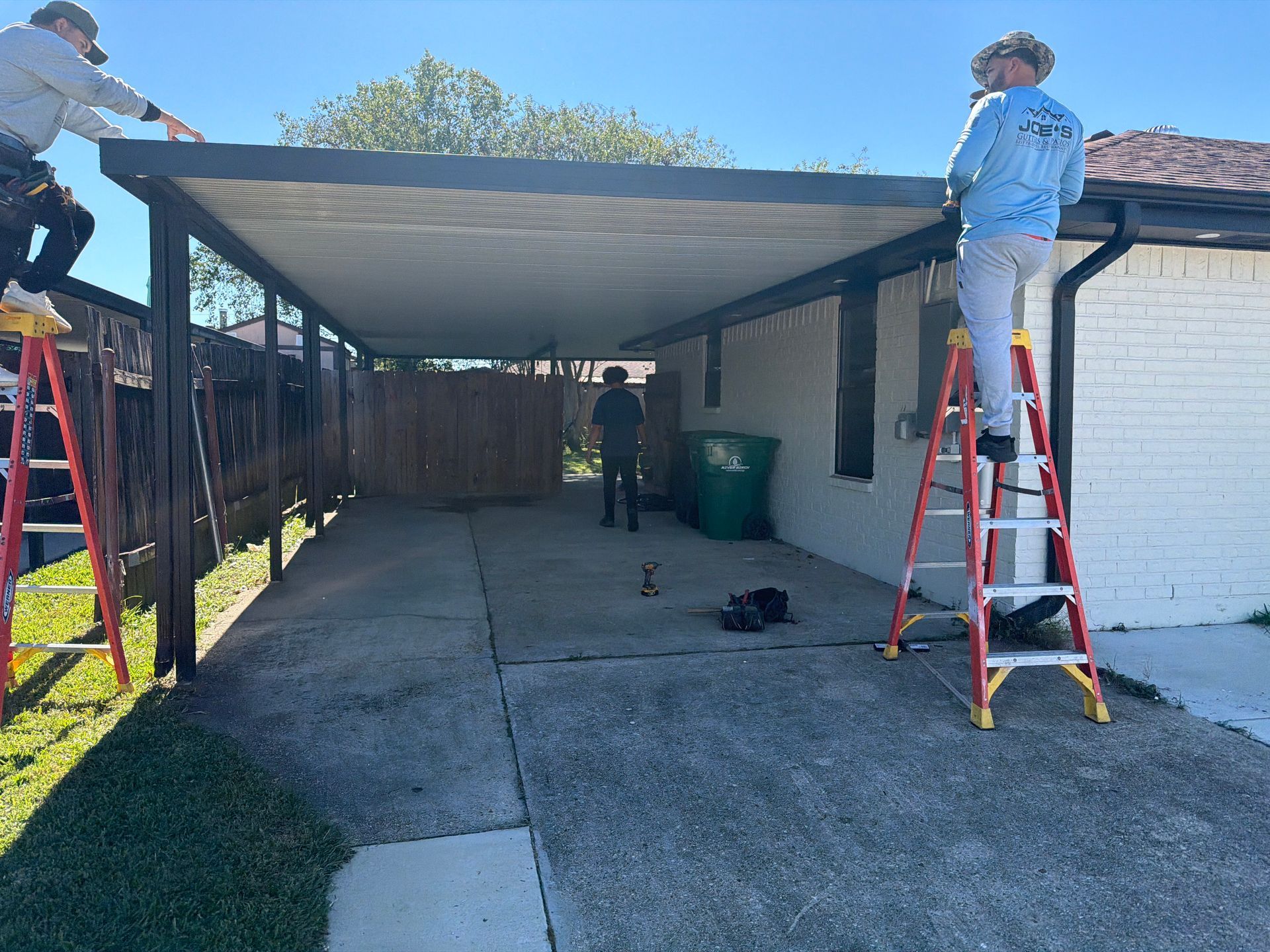
Roof style plays a major role in how much shade a patio cover provides. Solid roof patio covers offer maximum protection from sun and rain, making them ideal for homeowners who want full coverage. These designs are especially effective for patios used for dining or outdoor living rooms.
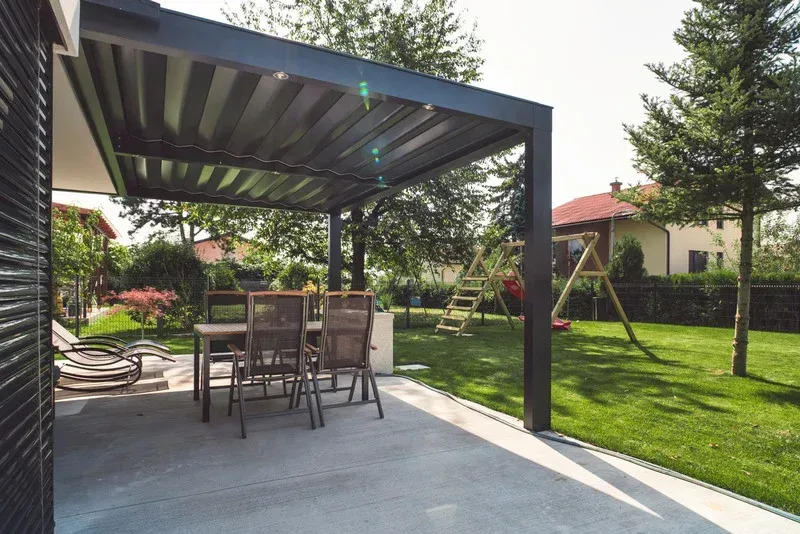
Pergola-style covers provide partial shade while maintaining an open feel. Spacing between beams can be adjusted to control light levels, and additional shade features can be added later. Gabled and hip-roof designs combine architectural appeal with effective shade and airflow, helping reduce heat buildup under the structure.
Adjustable Shade Features for Greater Flexibility
For homeowners who want control throughout the day, adjustable shade options offer flexibility. Retractable shades or panels allow you to block sun during peak hours and open the space when temperatures cool. Louvered roof systems provide another option, allowing slats to tilt for customized light and airflow.
These features are particularly useful for patios that receive varying sun exposure or serve multiple purposes, such as entertaining during the day and relaxing in the evening.
Privacy Considerations for Outdoor Living Spaces
Privacy is just as important as shade when designing a patio cover. Whether your backyard borders neighbors, streets, or open spaces, privacy features help create a comfortable and secluded environment.
Customizing for privacy does not mean closing off the space entirely. Instead, it involves balancing openness with strategic barriers that block unwanted views while maintaining airflow and visual appeal.
Side Panels and Privacy Screens
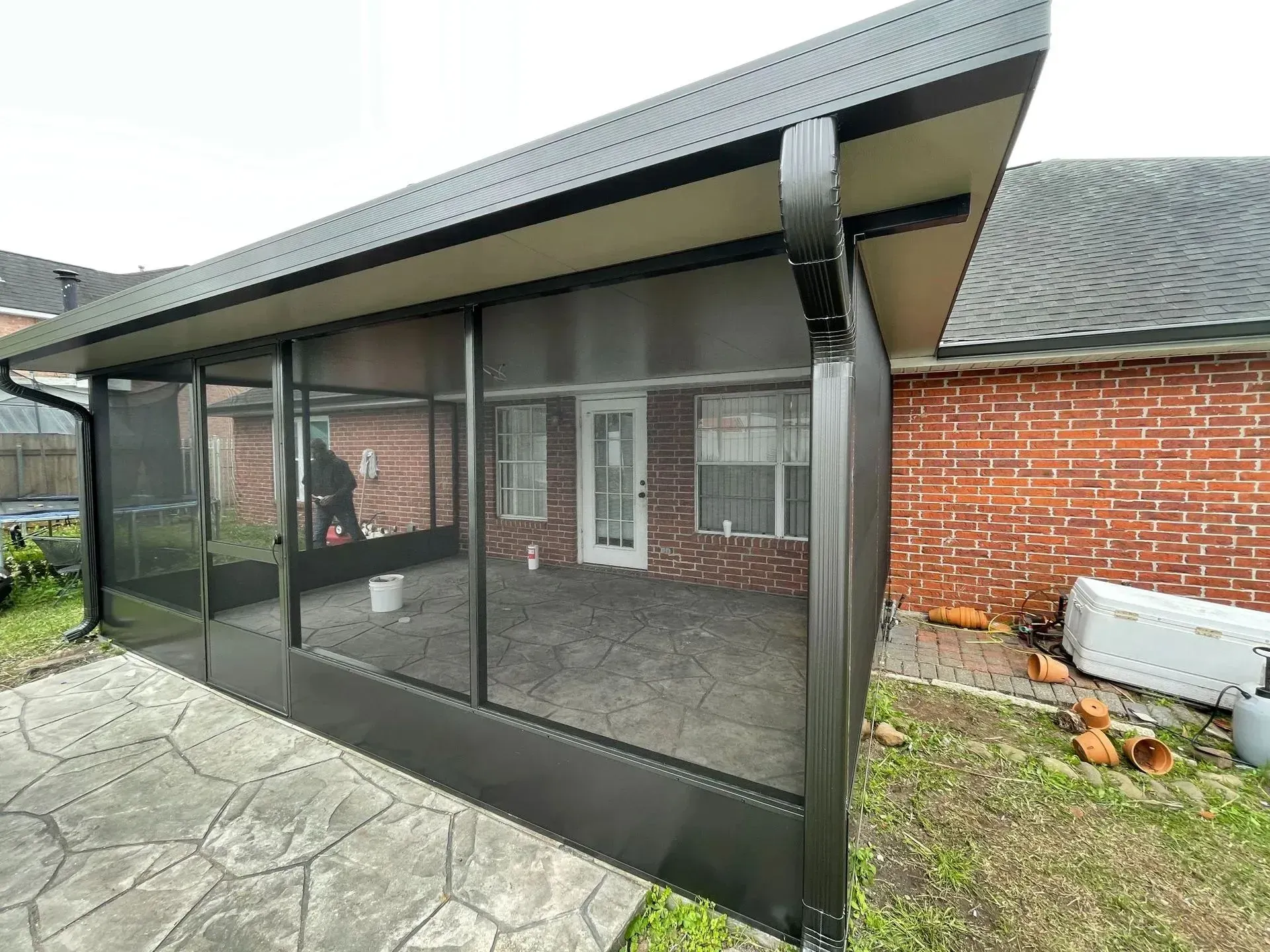
Side panels and privacy screens are popular additions to patio covers. These can be installed on one or more sides depending on where privacy is needed most. Materials range from solid panels to decorative screens that allow light and air to pass through.
Lattice panels provide partial screening while supporting climbing plants for a natural look. Decorative metal or composite screens add privacy without sacrificing style, making them a versatile choice for many architectural designs.
Curtains and Soft Privacy Solutions
Outdoor curtains offer a flexible and affordable privacy solution. They can be opened or closed as needed and add a soft, inviting feel to the space. Curtains are especially useful for blocking low-angle sun in the mornings or evenings while enhancing comfort.
When choosing curtains, it’s important to select weather-resistant fabrics designed for outdoor use. These materials withstand humidity, sun exposure, and occasional rain without fading or mildew buildup.
Combining Shade and Privacy with Landscaping
Landscaping can enhance both shade and privacy when paired with a patio cover. Strategically placed plants, hedges, or vertical gardens complement structural features while creating a natural barrier.
Climbing plants trained along pergola beams or privacy screens add shade over time and soften the overall appearance. Landscaping also improves airflow and reduces heat, contributing to a more comfortable outdoor environment.
Material Selection and Durability
Customization must account for durability, especially in Louisiana’s climate. Materials should resist moisture, sun exposure, and temperature fluctuations. Aluminum patio covers offer low maintenance and long-term durability, while wood provides warmth and character when properly treated and maintained.
Choosing materials that align with your home’s exterior ensures the patio cover feels like a natural extension rather than an add-on.
Enhancing Comfort with Additional Features
Beyond shade and privacy, additional features can further improve comfort. Integrated lighting allows the space to be used in the evening, while ceiling fans help circulate air and reduce heat. Drainage integration ensures rainwater is directed away from the patio, keeping the area dry and usable.
These enhancements work together with shade and privacy features to create a truly functional outdoor living space.
Creating a Personalized Outdoor Retreat
Customizing your patio cover for shade and privacy allows you to design an outdoor space tailored to your needs. Whether you prioritize relaxation, entertaining, or family gatherings, thoughtful customization ensures your patio is comfortable, private, and visually appealing.
At Joe’s Gutters & Patios, we help homeowners across Louisiana design patio covers that balance shade, privacy, and durability. By combining quality materials, professional design, and climate-appropriate solutions, we create outdoor spaces that enhance comfort and add long-term value to your home.
Recent Posts