Why Drainage Planning Matters Before Gutter Installation
Before any gutter system is installed, it is essential to understand how water naturally flows around your property. Many homeowners focus solely on choosing gutter materials or colours, but overlook the most critical step—drainage planning. Without a clear and strategic plan for how water should be directed away from the home, even high-quality gutters can fail to perform effectively. Poor drainage often leads to soil erosion, foundation cracking, basement leaks, and long-term structural issues that become expensive to repair. A gutter system is only as strong as the drainage design supporting it.
Louisiana’s weather adds an additional challenge, with heavy rainfall placing constant pressure on homes. Proper drainage planning helps ensure water moves away quickly and safely, even during intense storms. It also helps prevent pooling around patios, gardens, and walkways, preserving both the landscape and the structure of your home. Taking the time to assess slopes, runoff direction, and surrounding features creates a more reliable system that performs well throughout the year.
Homeowners who understand the value of this step are far better prepared to prevent water-related damage and maintain a durable gutter setup. That’s why in this guide, we explore why drainage planning matters before gutter installation.
How Drainage Planning Ensures Strong, Effective Gutter Performance
1. Preventing Foundation Damage and Soil Erosion
One of the most important reasons for drainage planning is protecting the foundation. When gutters discharge water too close to the home, soil erosion begins gradually and worsens with every storm. Over time, this erosion can shift the soil supporting the foundation, leading to cracks, settling, and structural instability. Proper planning ensures that downspouts direct water far enough away to prevent this damage. By guiding runoff into safe zones, homeowners preserve the stability of their home and avoid costly repairs.
2. Ensuring Gutters Have the Correct Size and Capacity
Drainage planning helps determine the proper size and capacity needed for a gutter system. Not every home requires the same level of drainage—roof size, slope, and rainfall intensity all influence the type of gutter that will work best. Homes with large or steep roofs collect more water, meaning they need wider gutters or additional downspouts. Without this analysis, gutters may overflow regularly, causing water to spill over the sides and damage siding or landscaping. Planning ensures the system can handle local weather conditions confidently.
3. Improving Water Flow and Downspout Placement
Downspout placement is often overlooked, yet it plays a major role in how well a drainage system performs. Poorly placed downspouts can cause water to pool in inconvenient or harmful areas. Proper drainage planning maps out the best location for each downspout to ensure smooth, efficient flow. This includes determining the ideal number of downspouts needed to prevent overloading any single area. When downspouts are positioned correctly, the entire system works together to move water away from the home with minimal stress on the gutters.
4. Protecting Landscaping and Outdoor Living Spaces
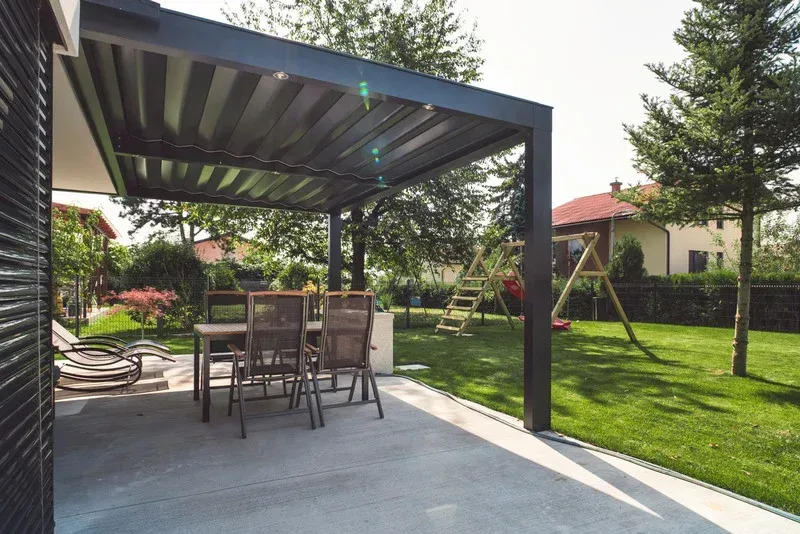
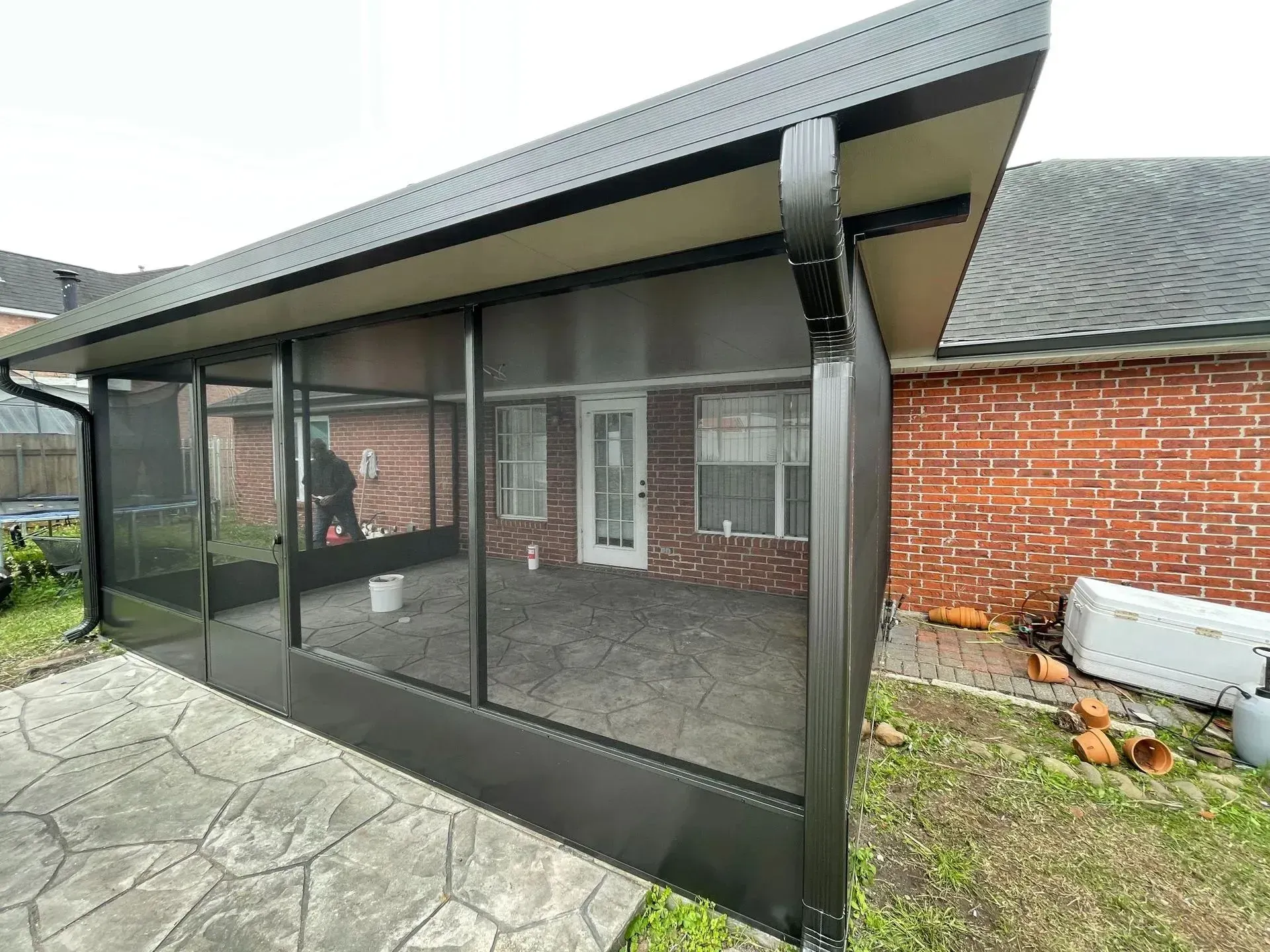
Many homeowners invest time and money into landscaping, patios, and outdoor living areas. Without a drainage plan, runoff can erode soil, drown plants, or damage paved surfaces. Patio covers, walkways, decks, and garden beds are particularly vulnerable to uncontrolled water flow. Planning ensures these areas are shielded from excessive runoff by directing water away from sensitive spaces. Effective drainage preserves the beauty and functionality of outdoor features and keeps the surrounding environment healthy.
5. Preventing Basement and Crawlspace Moisture Problems
Improper drainage often leads to water finding its way into basements and crawlspaces. Once moisture enters these areas, it can cause mold, mildew, wood rot, and air quality issues. A well-designed drainage plan prevents water from seeping toward the foundation in the first place. By considering the slope of the ground and the ideal direction for runoff, homeowners can significantly reduce moisture problems inside their homes. Strong drainage planning acts as a first line of defence against internal water damage.
6. Extending the Lifespan of the Gutter System
A gutter system that works with a proper drainage plan experiences less strain and lasts longer. When water flows efficiently and downspouts direct it safely away, gutters are less likely to sag, clog, or overflow. Proper planning reduces the risk of premature wear and extends the overall lifespan of the system. This saves homeowners money over time by reducing maintenance, repairs, and replacements.
Building a Stronger Home Through Smart Drainage Planning
Drainage planning is a vital step that ensures a gutter system does more than simply catch rainwater – it ensures the water is properly guided away to protect every part of your home. By reducing erosion, preventing foundation problems, improving downspout placement, and safeguarding outdoor spaces, drainage planning creates a strong foundation for long-lasting gutter performance. Our goal is to help homeowners understand how essential this step is before installation begins.
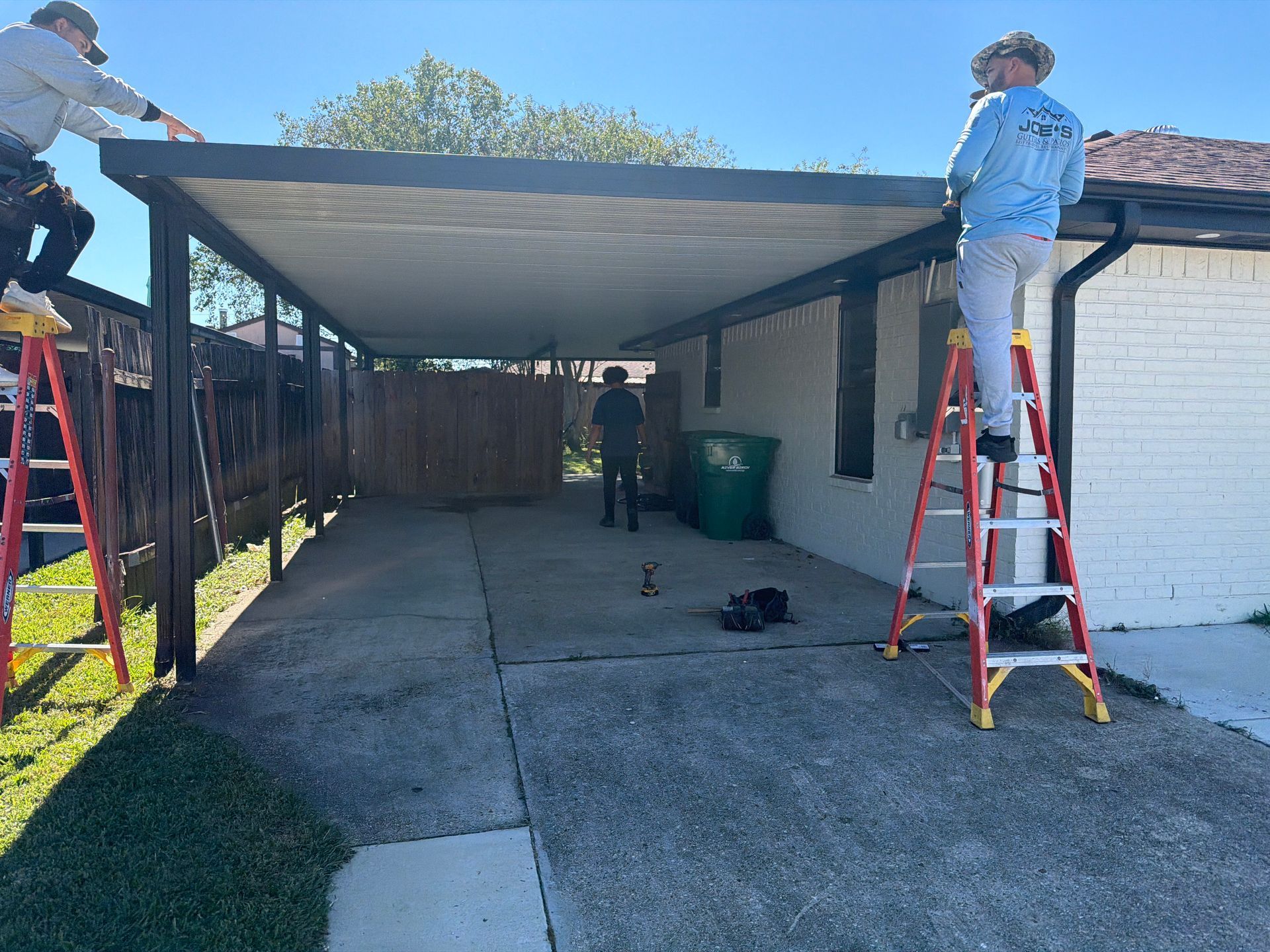
At Joe's Gutters & Patios, we bring years of experience to helping homeowners across Louisiana achieve effective drainage solutions before gutter installation. We use our knowledge of local weather and landscape conditions to design systems that move water safely away from homes. Our team focuses on practical, long-term solutions that protect foundations, enhance gutter performance, and reduce the risk of damage.
Recent Posts