Matching Patio Cover Designs to Your Home Architecture
A patio cover is more than a shade structure—it is a visual and functional extension of your home. When designed to complement your home’s architecture, a patio cover enhances curb appeal, improves outdoor comfort, and creates a seamless transition between indoor and outdoor living. On the other hand, a mismatched design can feel out of place and take away from the overall appearance of your property. That’s why matching patio cover designs to your home’s architectural style is a critical step in any patio project.
Homes in Louisiana must balance aesthetics with durability. With frequent rain, high humidity, and strong sun, patio covers must be thoughtfully designed to perform well while still blending naturally with the home. In this guide, we’ll explore how different architectural styles influence patio cover design and how choosing the right match can elevate your outdoor space.
Why Matching Architecture Matters for Patio Covers
Your home’s architectural style establishes its visual identity. Rooflines, materials, colours, and structural details all work together to create a cohesive look. A patio cover that mirrors these elements feels intentional and professionally designed rather than added as an afterthought.
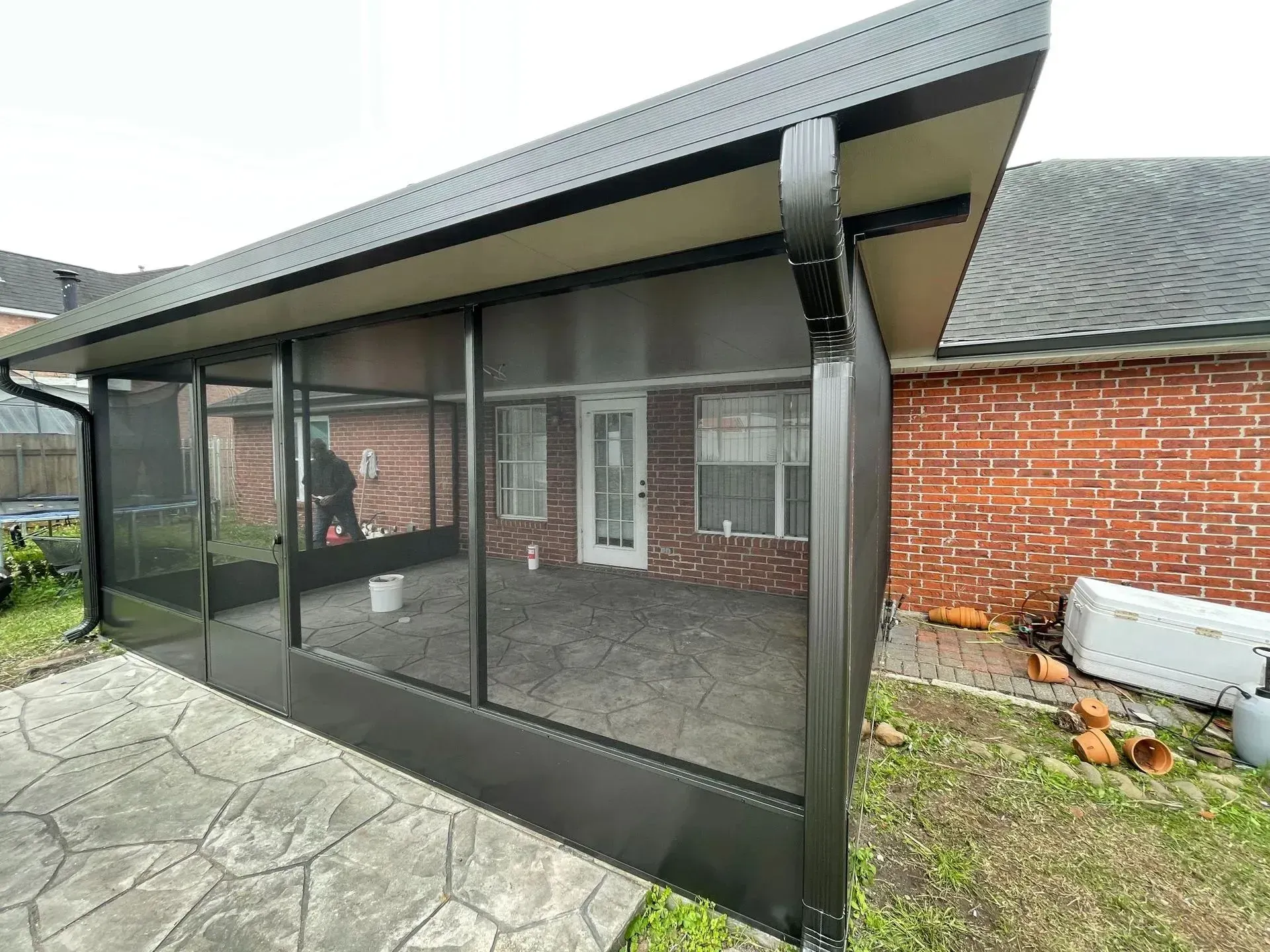
Architectural compatibility also supports better performance. Matching roof pitches help direct rainwater efficiently, while complementary materials allow the patio cover to integrate smoothly with gutters, fascia, and existing drainage systems. When form and function align, homeowners benefit from improved durability, easier maintenance, and a more polished exterior.
Patio Covers for Traditional-Style Homes
Traditional homes—including Colonial, Craftsman, and ranch-style designs—often feature symmetrical layouts, classic rooflines, and neutral tones. Patio covers for these homes should reflect that timeless appeal. Gabled or hip-roof patio covers are ideal because they mirror the main roof structure and create a natural visual flow.
Wood or wood-look materials pair well with traditional architecture, adding warmth and character. Subtle trim details and neutral finishes help the patio cover blend seamlessly with the home’s exterior. When done correctly, a traditional patio cover enhances both outdoor usability and overall curb appeal without distracting from the home’s original design.
Modern and Contemporary Patio Cover Designs
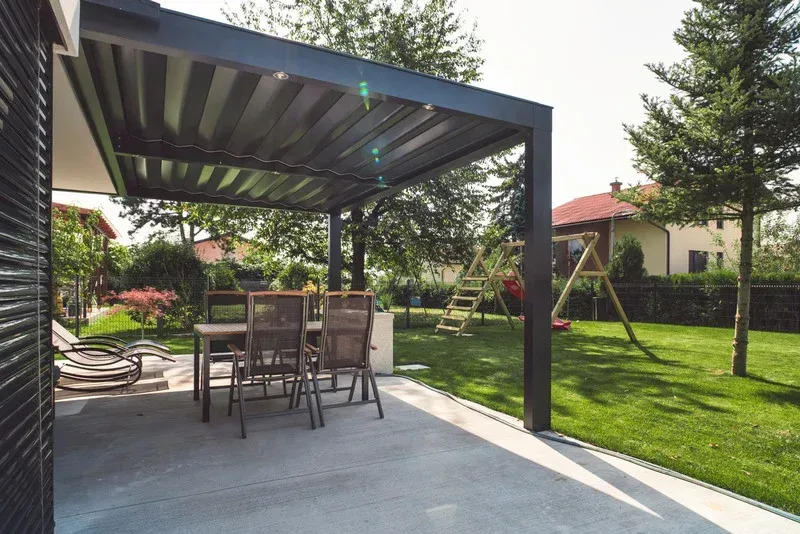
Modern and contemporary homes are defined by clean lines, simplicity, and minimal ornamentation. Patio covers for these homes should follow the same design philosophy. Flat or low-slope patio covers with sleek profiles complement modern architecture without overwhelming it.
Materials like aluminium are popular for modern designs due to their durability and clean appearance. Neutral colours such as white, black, or grey help maintain a streamlined look. Integrated lighting and concealed hardware further enhance the contemporary aesthetic. A well-designed modern patio cover adds functionality while preserving the home’s sharp, architectural identity.
Mediterranean and Spanish-Style Homes
Mediterranean and Spanish-style homes are known for their warm colours, stucco finishes, arched details, and tile roofs. Patio covers for these homes should reflect their rich character and elegant design. Tile-roof patio covers or decorative pergola-style structures work especially well.
Exposed beams, textured finishes, and curved accents help tie the patio cover into the home’s existing architecture. Choosing colours that match or complement the roof and exterior walls ensures visual harmony. The result is a patio cover that feels like a natural extension of the home rather than a separate structure.
Farmhouse and Rustic Home Designs
Farmhouse and rustic homes emphasize comfort, simplicity, and natural materials. Patio covers for these homes often feature exposed beams, wide posts, and neutral or earthy tones. Gabled patio covers or open pergolas fit well with the relaxed and welcoming feel of farmhouse architecture.
Wood and metal combinations are especially effective, blending durability with rustic charm. A farmhouse-style patio cover creates a cozy outdoor gathering space while reinforcing the home’s warm, lived-in aesthetic.
Key Design Elements to Consider
Regardless of architectural style, several design elements play a major role in achieving a cohesive look. Roof pitch should align closely with the home’s existing roof to ensure proper water runoff and visual balance. Materials should complement—not clash with—the home’s siding, trim, and roofing.
Proportion is equally important. A patio cover that is too large can overwhelm the home, while one that is too small may look unfinished. Proper sizing ensures the structure feels integrated and functional while providing adequate shade and protection.
Combining Style with Long-Term Performance
While appearance matters, performance is just as important. Patio covers must withstand Louisiana’s heavy rainfall and intense sun. Proper structural support, drainage integration, and material selection ensure long-lasting performance with minimal maintenance.
When architectural design and practical construction work together, homeowners enjoy an outdoor space that is both beautiful and dependable.
Creating a Patio Cover That Complements Your Home
Matching your patio cover design to your home’s architecture adds value, improves comfort, and enhances curb appeal. From traditional and modern styles to Mediterranean and farmhouse designs, the right patio cover creates a cohesive and functional outdoor living space.
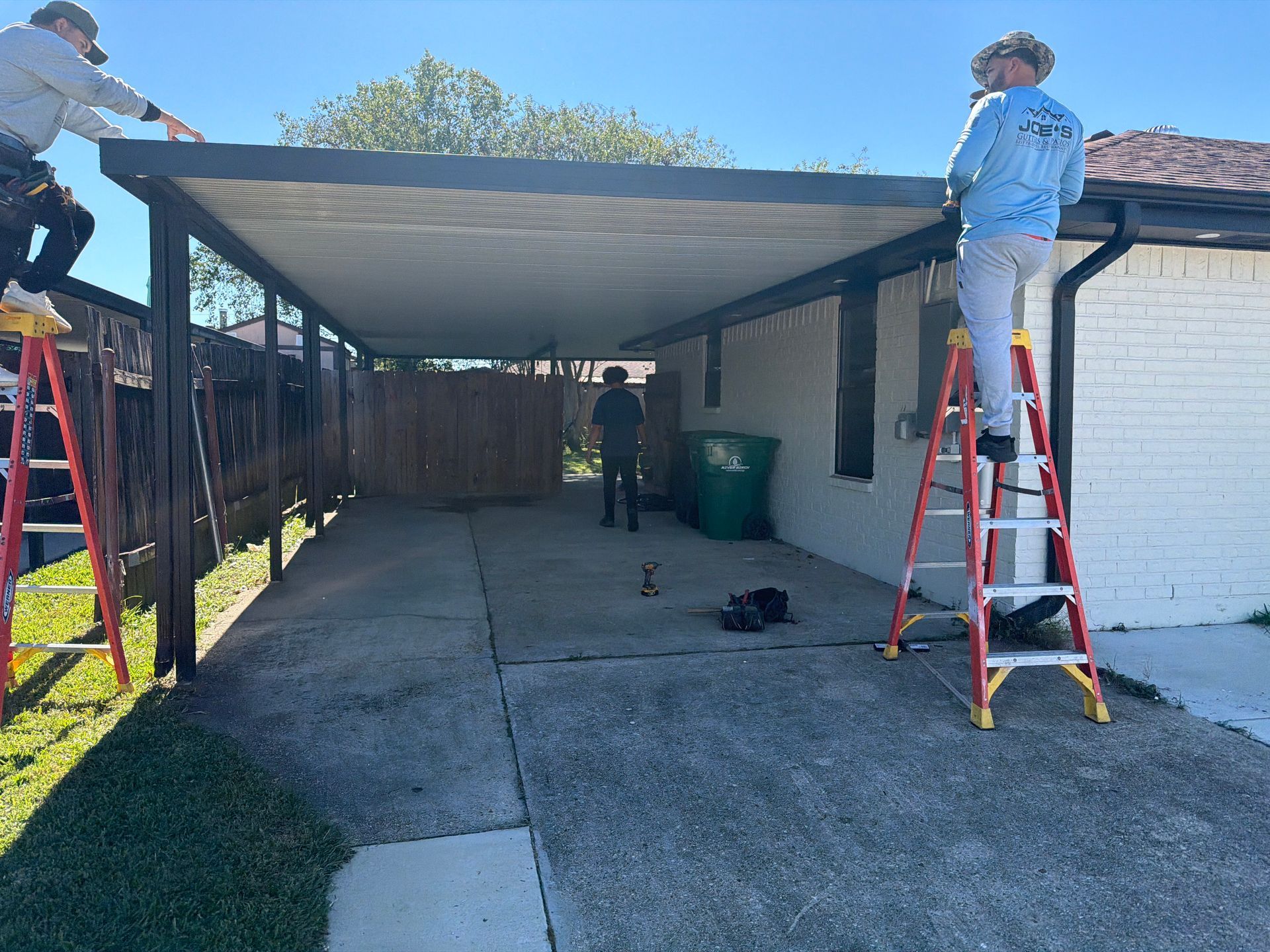
At Joe's Gutters & Patios, we help homeowners across Louisiana design patio covers that blend seamlessly with their homes while standing up to local weather conditions. Our focus on thoughtful design, quality materials, and long-term performance ensures your patio cover looks great and lasts for years to come.
Recent Posts