Does Louisiana Homeowners Insurance Cover Hurricane Damage to Gutters and Patio Covers?
It's 11 pm on a Tuesday in late August. The outer band of a named storm just took the southwest corner of your gutter system off the house. Water is sheeting down the wall behind it, straight onto the foundation. By morning, the patio cover panels are wrinkled where the wind grabbed them. The downspout is somewhere in the neighbor's yard. Your phone buzzes — a text from the insurance company about claim documentation, sent automatically because your zip code's in the storm path.
The first thing you'll think about is who to call. The second thing you'll think about is your homeowners’ insurance. Most homeowners don't get told upfront that those are different decisions.
This is Louisiana. Sixty-two inches of rain a year, almost double the national average. Six months of hurricane season. Named storms hit the Gulf Coast every couple of years and the wind, surge, and rain all show up at the same address. Insurance companies know this. Your policy was priced around it. The named-storm deductible — the separate deductible specifically for hurricane-force damage — is what they put in the fine print to make the math work for them.
The Quick Answer: Yes, But the Deductible Math Is the Whole Story
What Louisiana homeowners insurance covers — and doesn't.
Most Louisiana policies cover wind-caused gutter damage as part of Coverage A (dwelling). Wear-and-tear and pre-existing conditions are excluded. The deductible structure — not the coverage — is what determines whether you actually get paid.
Coverage Reference Wind damage from a named storm
✓ Typically Covered
- Gutters torn off by wind Including downspouts and elbows
- Fascia damage from gutter detachment Direct consequential damage
- Patio cover panels removed by wind Coverage A if attached
- Interior water damage Where wind created the opening
- Code-upgrade costs If endorsement is on policy
- Mitigation costs Tarps, fans, dehumidifiers · keep receipts
✗ Typically Excluded
- Pre-existing rot or damage Discovered after storm exposure
- Wear-and-tear failure Aged sealant, rusted spikes
- Cosmetic damage Tiger stripes, faded finish, dents
- Flood-caused damage NFIP / private flood policy required
- Improper original install Carrier may deny on this finding
- Damage from named/excluded storms Some carriers exclude specific events
Deductible Reality What you actually pay before insurance contributes — Coverage A = $300K example
A $4,000 gutter claim on a $9,000 deductible policy = you pay all of it.
The wind damage is covered. Your gutters, your downspouts, the attached patio cover, the awnings, the screen room, the carport — wind got it, the policy covers it. That's the easy part.
Here's the part that decides whether filing makes sense: the deductible. Louisiana policies carry a separate deductible just for named storms. It's a percentage of your home's insured value — typically 2 to 5 percent. On a $300,000 home with a 4 percent named-storm deductible, that's $12,000 you pay before the policy pays a dollar.
Most gutter damage from a hurricane runs $1,500 to $5,000 to fix.
Below the deductible.
That's the math you've got to run before you pick up the phone.
Wind and Flood Live in Different Policies
Two policies. Two deductibles. It has to be that way — federal law made it that way back in 1968 because no private insurer would touch flood. The losses are too correlated, too catastrophic for the math to work. So flood went to the National Flood Insurance Program, and your homeowners policy covers wind.
Hurricane Ida produced both. Plenty of homes in Greater New Orleans had their gutters torn off by 110-mph wind AND had two feet of water through the first floor. Two claims. Two deductibles. The adjusters separated wind damage from water damage on every line item.
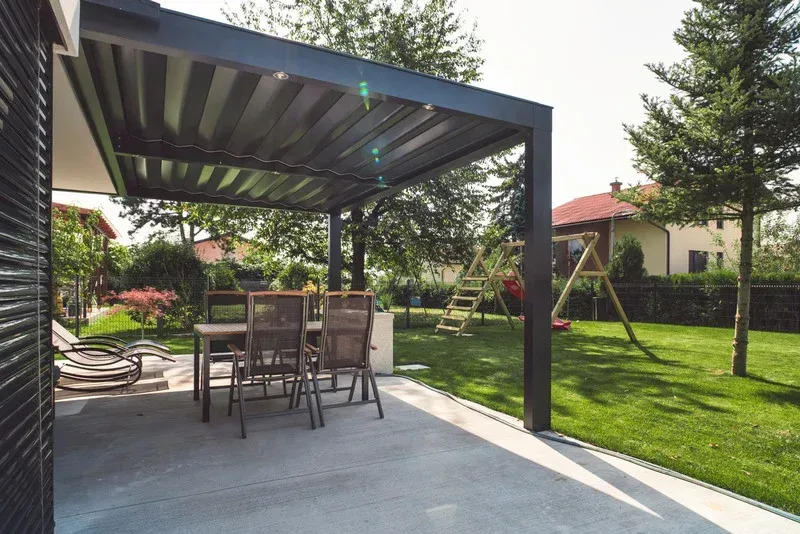
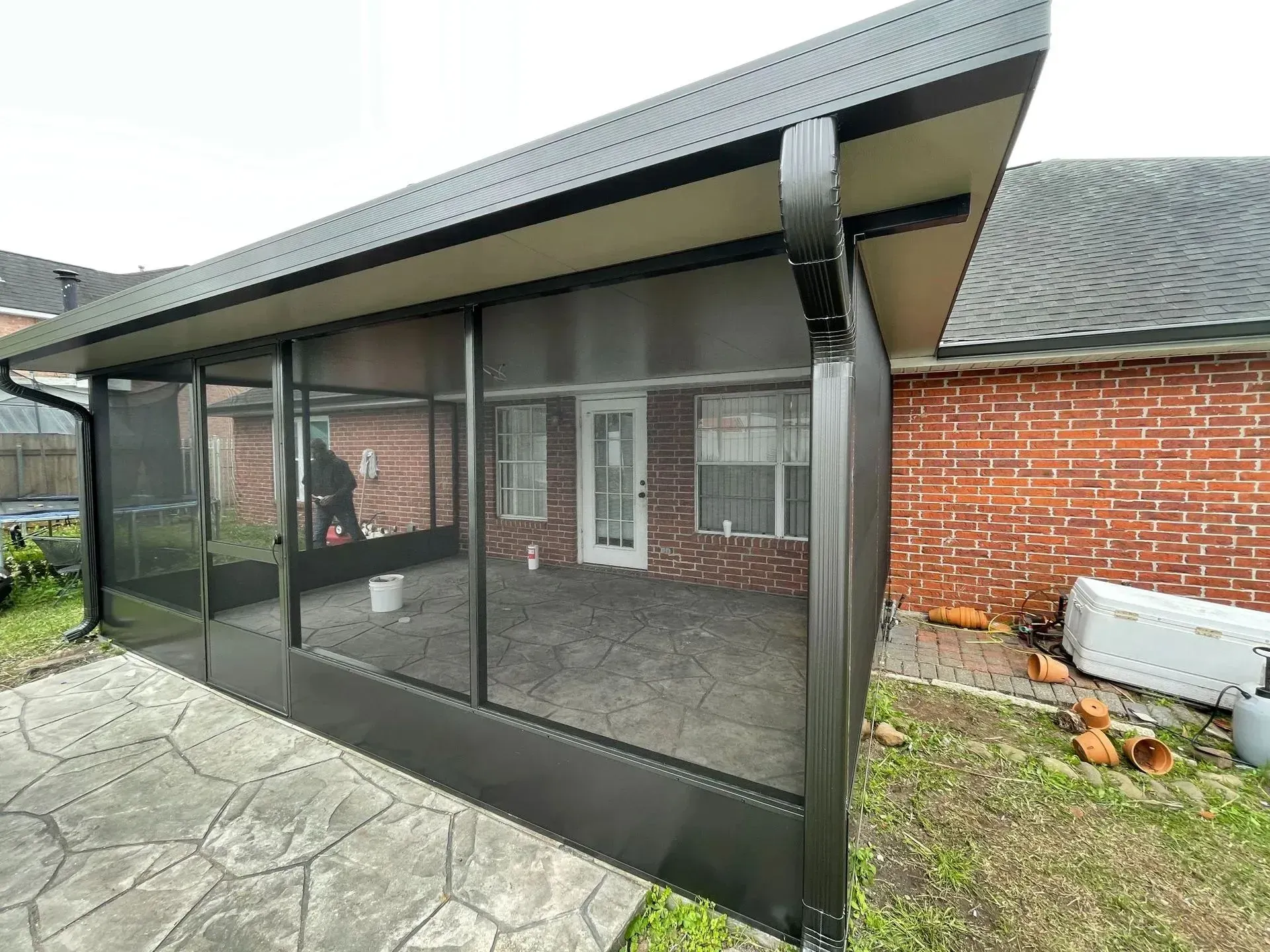
Anything attached to the dwelling falls under Coverage A. Gutters, attached patio cover, awnings, attached screen room, and the dwelling itself.
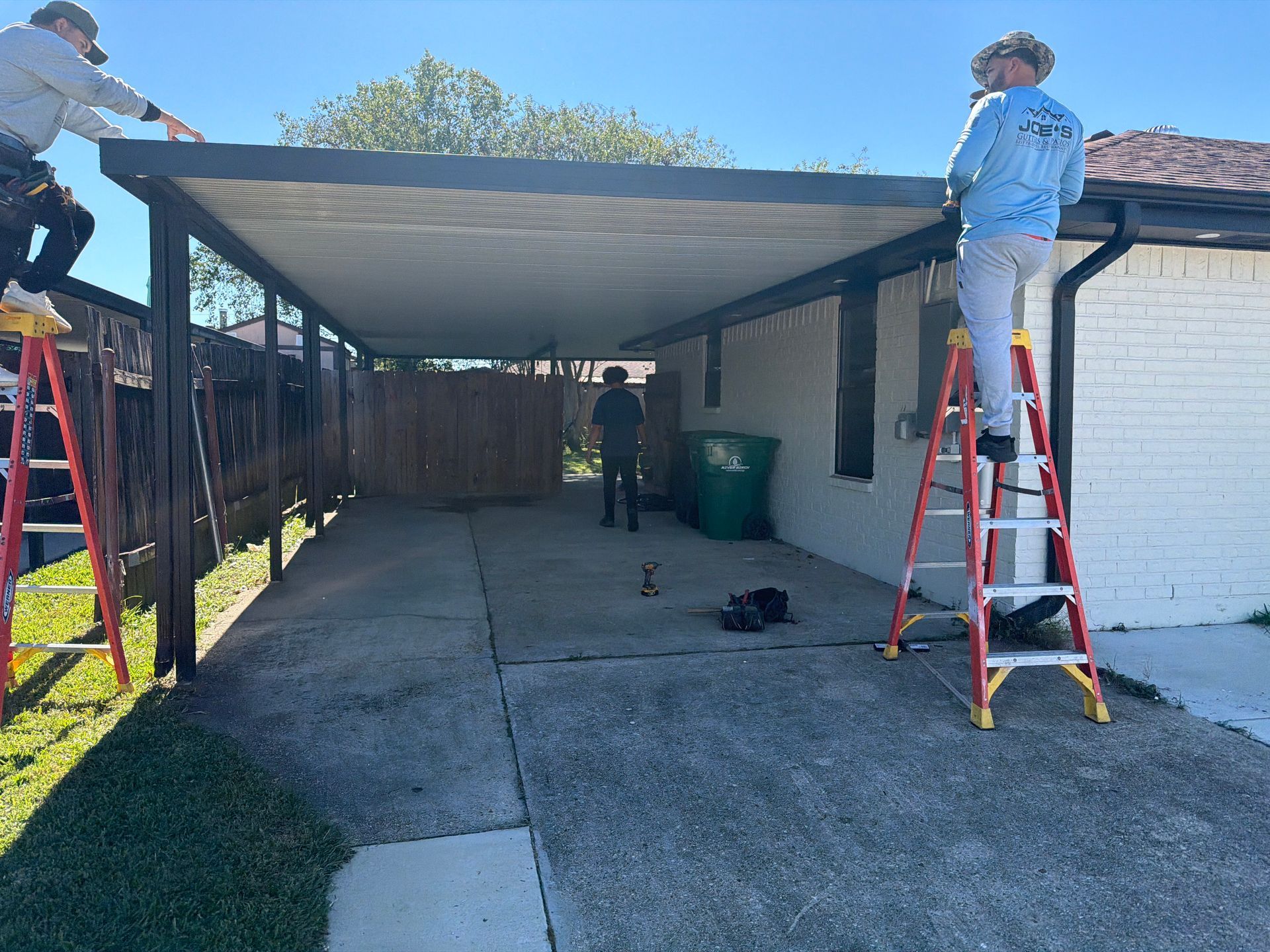
Detached structures fall under Coverage B — "Other Structures." That's the carport that stands on its own posts, the stand-alone patio cover that isn't connected to the house, the separate workshop. The same named-storm deductible applies, but the limit ceiling is lower — usually 10 percent of Coverage A.
Water that came up the street into the house? That's flood. It doesn't matter that the same hurricane caused both. NFIP territory.
TIP: Find your named-storm deductible on the policy declarations page. It's listed separately from your "all other perils" deductible. The dollar number is what matters; the percentage is just the math the insurer used to get there.
The Named-Storm Deductible Math: Why $1,000 Becomes $12,000
La R.S. 22:1337 is the statute that establishes it. When the National Hurricane Center designates a storm as a named storm or hurricane, your separate deductible applies. Per the statute, it's annual — multiple storms in the same year, you pay the deductible once across all of them, not once per storm.
Small mercy.
The math at common Louisiana home values:
| Insured value | 2% deductible | 3% deductible | 4% deductible | 5% deductible |
|---|---|---|---|---|
| $200,000 | $4,000 | $6,000 | $8,000 | $10,000 |
| $300,000 | $6,000 | $9,000 | $12,000 | $15,000 |
| $400,000 | $8,000 | $12,000 | $16,000 | $20,000 |
| $500,000 | $10,000 | $15,000 | $20,000 | $25,000 |
Now overlay typical hurricane damage against those numbers. A pulled-away gutter section, a separated corner, a downspout torn off, or a dented elbow runs $1,500 to $5,000 to repair, below the deductible at every common home value. Patio cover damage gets closer to the line: partial wind damage runs $3,000 to $10,000, and full replacement on a typical aluminum cover runs $5,000 to $25,000. A blown-out aluminum carport runs $5,500 to $10,000 to replace, which often clears the deductible at home values under $300,000 but not above.
Most homeowners file the claim and find out their deductible is $12,000. The repair could've been handled for less than that, out of pocket, and the policy never gets touched. The adjuster shows up, scopes the damage at $4,200, the deductible is $12,000, and the claim closes with no payment.
The covered loss was real. The check never came.
TIP: Photo-document your home's exterior every hurricane season. Corners of gutters, fascia, patio cover panels, and downspout connections. Pre-storm photos are the single most valuable claim documentation you can have. Date-stamped photos beat verbal claims of "this was fine before the storm."
Wondering if your gutter or patio damage clears the deductible? Joe's Gutters & Patios
provides free written damage assessments documented for insurance purposes — no charge whether you file or not. Call 504-813-4293 for a same-day call-back.
Detached Structures, Carports, and Screen Rooms
Coverage B is a separate section in your policy. Caps at roughly 10 percent of the Coverage A dwelling limit. So a $300,000 dwelling policy gives you about $30,000 of Coverage B for everything detached on the property combined.
Detached carport. Stand-alone aluminum patio cover, the kind anchored to its own posts and not connected to the house. Workshop. Storage shed. All Coverage B.
The named-storm deductible still applies the same way, but the limit ceiling is lower. Carport replacement runs $8,500 — covered, after deductible. Math's the same as Coverage A, just with a smaller pool of money behind it.
The test is simple: is the structure physically connected to the dwelling's framing? Connected to the home's wall or roof means attached, Coverage A. Free-standing posts and a separate roof? Detached, Coverage B. Most homeowners discover this distinction at claim time. Get your detached structures scoped under Coverage B from the start — the adjuster will categorize the structure the way you describe it on the initial claim.
What Insurance Won't Cover (Even When the Storm Was Named)
Five categories of damage get denied even on legitimate hurricane claims. You'll see nothing for any of them.
Pre-existing damage. A pulled-away gutter section, sagging patio cover, or dented downspout that predates the storm gets excluded.
Adjusters can tell the difference. They run lift-and-twist tests on aluminum components and read the corrosion patterns at the failure point. A gutter that pulled away because the fascia was already rotted shows corrosion staining at the fastener heads, fatigue cracking at the bracket bend, and softened fascia behind the bracket. A gutter torn off by 110-mph wind looks completely different — clean fastener pull-out with intact fascia underneath, sharp metal at the failure point, no corrosion at the break.
The patterns are different. Adjusters can read them. The burden of proof that the damage was hurricane-force, not pre-existing wear, sits on you.
Lack-of-maintenance damage. Rotted fascia, rusted fasteners, and accumulated debris that backed water up into the soffit. Classified as pre-existing wear, not hurricane damage.
Unpermitted structures. Patio covers, carports, screen rooms built without a parish permit — often excluded entirely. Jefferson Parish and Orleans Parish both require permits for attached patio covers and most accessory structures.
Wear and tear. Sealant cracking from age, paint fading, and slow-developing rust. Never covered, regardless of when the storm hit.
Cosmetic damage. Dented but functional. Scuffed but draining. Often denied as "non-functional damage."
WARNING: Louisiana's prescriptive period for filing first-party insurance lawsuits is generally two years from the date of loss for most claims. The cure-period notice under La R.S. 22:1892.2 must be sent before any bad-faith suit. Document the date of loss, the date of your satisfactory proof of loss submission, and the date of every insurer communication. Miss the prescriptive window, lose the right to sue regardless of the merits of the claim.
Citizens Insurance vs Private Carriers: Same Math, Different Experience
Louisiana Citizens Property Insurance Corporation is the state-run insurer of last resort. After Hurricane Ida, several private carriers walked away from Louisiana entirely. Citizens enrollment shot up. A lot of Greater New Orleans homeowners are on Citizens, whether they wanted to be or not.
Coverage scope under Citizens looks like private. Same Coverage A and B structure, same named-storm deductible under La R.S. 22:1337, same statutory rules under La R.S. 22:1892 and 22:1892.2. The differences show up in claim handling.
Citizens run a higher claim volume per adjuster than most private carriers. Slower initial response. Longer cycle times. The trade-off cuts the other way too: Citizens denies less aggressively on lack-of-maintenance grounds because the volume forces shorter inspection windows.
Private carriers process faster but deny more aggressively on documentation gaps.
Either way, the deductible math is the same. The carrier on your declarations page doesn't change whether your $4,200 gutter repair clears the $12,000 deductible.
How to File: The 60-Day Window and What to Document
July 1, 2024, reshaped the timeline. La R.S. 22:1892.2 took effect that day and pushed catastrophic loss claims onto a new schedule — covering most hurricane and named-storm losses on residential property. The statute requires your insurer to tender payment within 60 days of receiving satisfactory proof of loss. The 30-day rule under La R.S. 22:1892 still applies to non-catastrophic claims.
Walk the property within 72 hours of landfall. Photograph everything before you touch anything. Tarp what's actively leaking, but document the original damage first. Get a contractor on-site for a written estimate within 72 hours. Then call the insurer.
What goes in the documentation package:
- Photos of the damage from multiple angles
- Photos of the broader property context — so the adjuster can place the damage in the home's overall condition
- Pre-storm photos, if you have them
- Contractor estimates from a Louisiana-licensed contractor
- Receipts for any emergency repairs you did to prevent further damage
- A record of the storm event — pull NOAA documentation for the specific named storm
The 2024 amendments also added a 60-day cure-period notice mechanism. Before filing a bad-faith lawsuit against your insurer for denial or delay, you've got to send 60 days of written notice of the violation. The insurer can avoid statutory penalties by paying the full amount demanded within those 60 days, plus expenses and a 20 percent attorney fee cap.
Skip the cure-period notice, and the suit gets dismissed.
When the Insurer Pushes Back
Don't accept the first denial.
La R.S. 22:1892 is the baseline — 30-day claim payment deadline for non-catastrophic claims, 50 percent penalty plus attorney fees if the denial is arbitrary, capricious, or without probable cause. La R.S. 22:1892.2 is the parallel for catastrophic residential claims — 60 days, similar penalty structure, plus recovery of proven economic damages caused by the breach.
The duty of good faith and fair dealing used to live in La R.S. 22:1973. The legislature repealed that section in 2024 and folded the language into La R.S. 22:1892(I). The duty itself didn't change. The breaches it covers: misrepresenting policy provisions, failing to pay an agreed settlement within 30 days, denying coverage based on an altered application, and misrepresenting the prescriptive period.
The Louisiana Department of Insurance handles consumer complaints. Filing one is free, takes about 30 minutes, and creates a regulatory record the insurer has to respond to. It's not a substitute for legal action, doesn't toll the prescriptive period — but it often moves stalled claims and creates a documentary trail that helps later.
Request the specific policy provision the insurer cites for any denial. Ask for a written denial letter — not a phone call. A vague "damage not covered" is harder for the insurer to defend than a specific policy citation. Specific citations can be challenged on the facts. Vague denials usually mean the insurer doesn't have a strong basis.
TIP: Send your provision request and any follow-up correspondence in writing — email or certified mail — never by phone alone. Phone conversations leave no paper trail. The written record is what matters if the dispute escalates to a Louisiana Department of Insurance complaint or a bad-faith suit.
Frequently Asked Questions
What is a named-storm deductible in Louisiana?
A separate deductible in your policy that applies whenever damage results from a storm system declared by the National Hurricane Center as a named storm or hurricane. La R.S. 22:1337 defines it. Typically 2 to 5 percent of your home's insured value. Applies once per calendar year — multiple storms in one year, one deductible across all of them.
Are gutters covered under homeowners’ insurance for hurricane damage?
Yes. Gutters are part of the dwelling, Coverage A. Whether the policy actually pays depends on whether your damage clears the deductible. Most gutter damage doesn't.
What's the difference between hurricane coverage and flood coverage?
Different policies. Hurricane wind damage falls under your homeowners’ policy. Flood damage — storm surge, river flooding, rising water — does not. Flood coverage requires a separate NFIP policy. The same hurricane can produce both, and adjusters separate the two on the claim.
Does Louisiana Citizens cover patio cover damage?
Yes, with the same coverage structure as private. Coverage A for attached, Coverage B for detached, named-storm deductible applies. Citizens claim handling tends to run slower than private carriers but is often less aggressive on lack-of-maintenance denials.
How long do I have to file a hurricane damage claim in Louisiana?
Two years from the date of loss for most first-party insurance claims. Your insurer has to tender payment within 60 days of satisfactory proof of loss for catastrophic residential claims under La R.S. 22:1892.2. Document the dates. Miss the prescriptive window, lose the claim regardless of merits.
Can my insurance company deny my claim for lack of maintenance?
Yes — and they do, routinely. Pre-existing damage, rotted fascia, rusted hardware get cited even on legitimate hurricane claims. Adjusters use lift-and-twist tests on aluminum and read corrosion patterns at the failure point to distinguish pre-storm wear from storm-force damage. Pre-storm photos are the strongest counter-evidence you can produce.
What if my insurance company doesn't pay within 60 days?
For catastrophic residential claims, La R.S. 22:1892.2 requires tender within 60 days of satisfactory proof of loss. Failure to tender when arbitrary, capricious, or without probable cause subjects the insurer to a statutory penalty, attorney fees, and the insured's proven economic damages caused by the breach. File a complaint with the Louisiana Department of Insurance — creates a regulatory record. A bad-faith lawsuit requires the 60-day cure-period notice first under the 2024 amendments.
Photograph First. Decide Second.
This doesn't get fixed by ignoring it. The gutter that came off the fascia, the patio cover panels wrinkled by the wind — that's the damage you can see. The fascia rot underneath, the soffit water intrusion, the foundation saturation from a downspout that's been routing water onto the slab for two weeks — that's the damage that comes for you later.
Walk the property within 72 hours of landfall. Photograph everything. Get a contractor on-site for a written estimate before you touch a thing. Run the deductible math against the contractor's number. Then decide whether to file.
Most homeowners learn the named-storm deductible math the hard way — at claim time, when the adjuster's scope comes in below the deductible, and the check never arrives. Run the math first. Document obsessively. File only when the numbers say file.
Joe's Gutters & Patios
provides free written damage assessments documented for insurance purposes — no charge whether you file or not. Hand-mitered corner installs, hurricane-zone engineering on patio covers and carports, full storm documentation support across Greater New Orleans. Call
504-813-4293
— same-day call-back, no trip fee, Louisiana contractor license #CL.65670.
Recent Posts