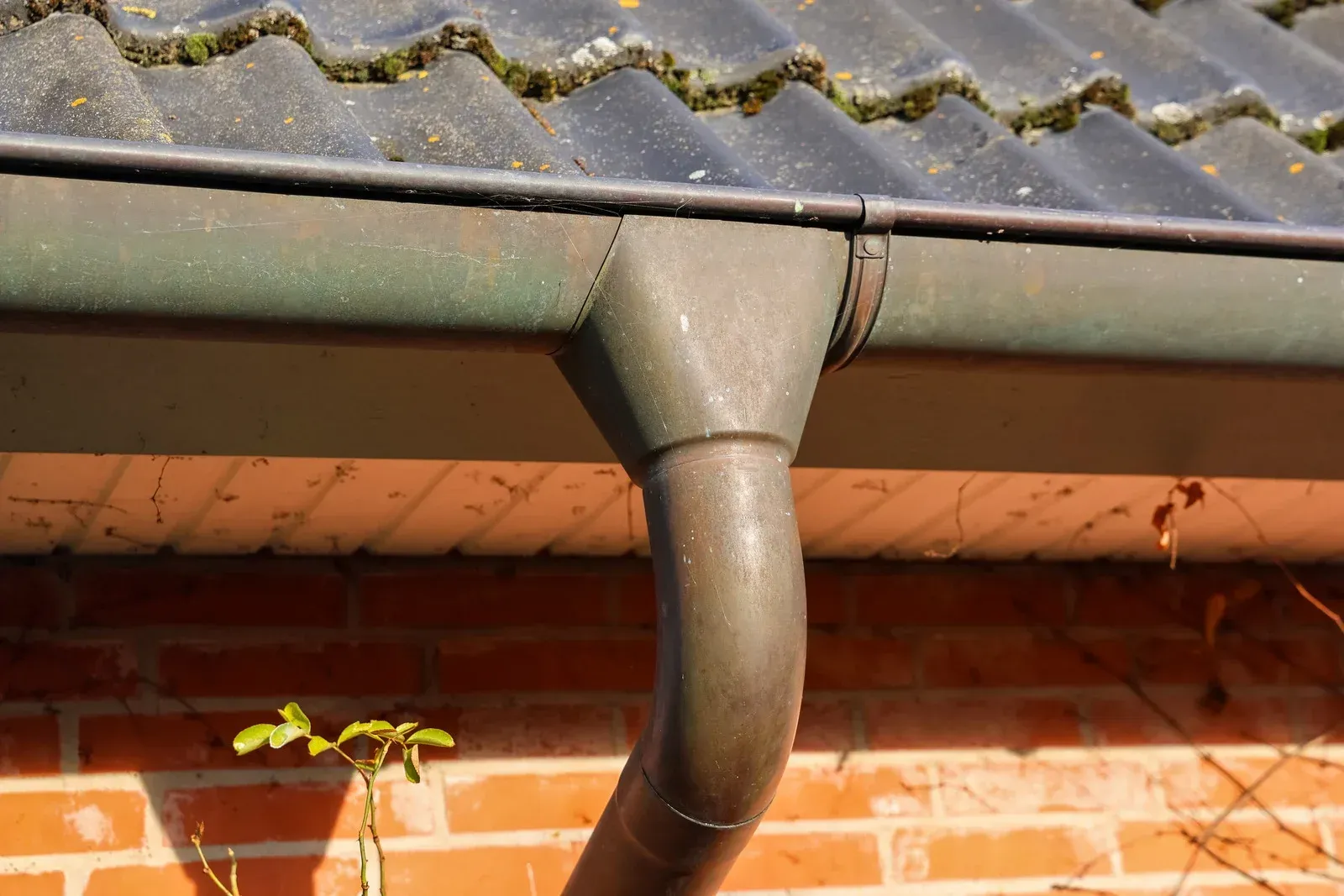
The Method of Installing Gutters
When you think about rain gutters, you would imagine that in terms of design they are fairly static. Rain gutters are half-pipes which draw water away from the home and their design has been pretty much standard until now. The installation of rain gutters therefor has also remained static in terms of their evolution throughout the years. The entire process is fairly basic and just about anyone can install a new drainage network with relative ease. This piece looks at the various elements of this process and hypothesizes ways of carrying out the installation.
What is the role of gutters?
Their role is to channel water away from our homes, towards a
ground level drainage system
which directs the water back into nearby lakes, rivers, streams etc. They carry out an invaluable job which pretty much prevents our homes from crumbling around us. You may think I am being a little over dramatic but the truth is, I could be a lot more dramatic given their protection role is so vital. Improperly installed gutters will wreak havoc on the structure of your home and over all this will be detrimental to the structural stability of the building.
Required Tools for Installation
- Snips
- Hacksaw/circular saw
- Plum level
- Caulk gun
- Ladders (important the ladders reach the gutters easily)
- Hammer-action drill
- Tape measure
Installation Steps
- Pre-plan the installation, deciding on the type of gutter required, the aesthetic elements of the piping and also where you want the water to be re-directed to. The last attribute is very important to avoid channelling the water to an area of your property that cannot be drained easily. Numerous times I have witnessed people putting up guttering with little thought as to how the ground drainage system will deal with the water.
- Assess the length of piping required to complete the job. The best way of doing this is to be at eye level with the fascia or roof and measure (using the tape measure) exactly how long the lengths of gutter should be. The measuring process should not be carried out at ground level because the lower parts of the walls may differ greatly from the upper parts of the wall. These measurements tell you, not only how much piping you need but also the number of corresponding components required.
- When installing gutters it is best to decide on a starting point which is at the corner of the roof furthest away from your downspouts (this is assuming your downspouts are already in place). Measure a mark, roughly ¾ down from the edge of your roof on both sides of the fascia and snap a line between the two points. This will act as your guide line. Every ten feet of gutter installed will require a gradient of about ½ an inch. Secondary lines will need to be snapped to show this gradient for every length of gutter installed.
- Bore the holes for the brackets and install them using these guide lines. Once these mounting brackets are installed, the gutter lengths can be attached to the fascia. This last part should be relatively easy if the initial steps have been correctly followed.