Eco-Friendly Roofing Options: Sustainable Choices for Modern Homeowners
In today’s world, homeowners are increasingly seeking ways to reduce their environmental impact while enhancing the longevity and efficiency of their homes. One significant way to achieve this is through eco-friendly roofing options. Sustainable roofing materials not only help lower energy bills but also reduce landfill waste, improve insulation, and enhance the overall aesthetic of your property. From recycled materials to solar-ready designs, modern eco-conscious choices offer practical benefits without compromising style. For homeowners in New Orleans and beyond, exploring sustainable roofing options is a smart investment for both the planet and your property.
1. Metal Roofing: Durability Meets Sustainability
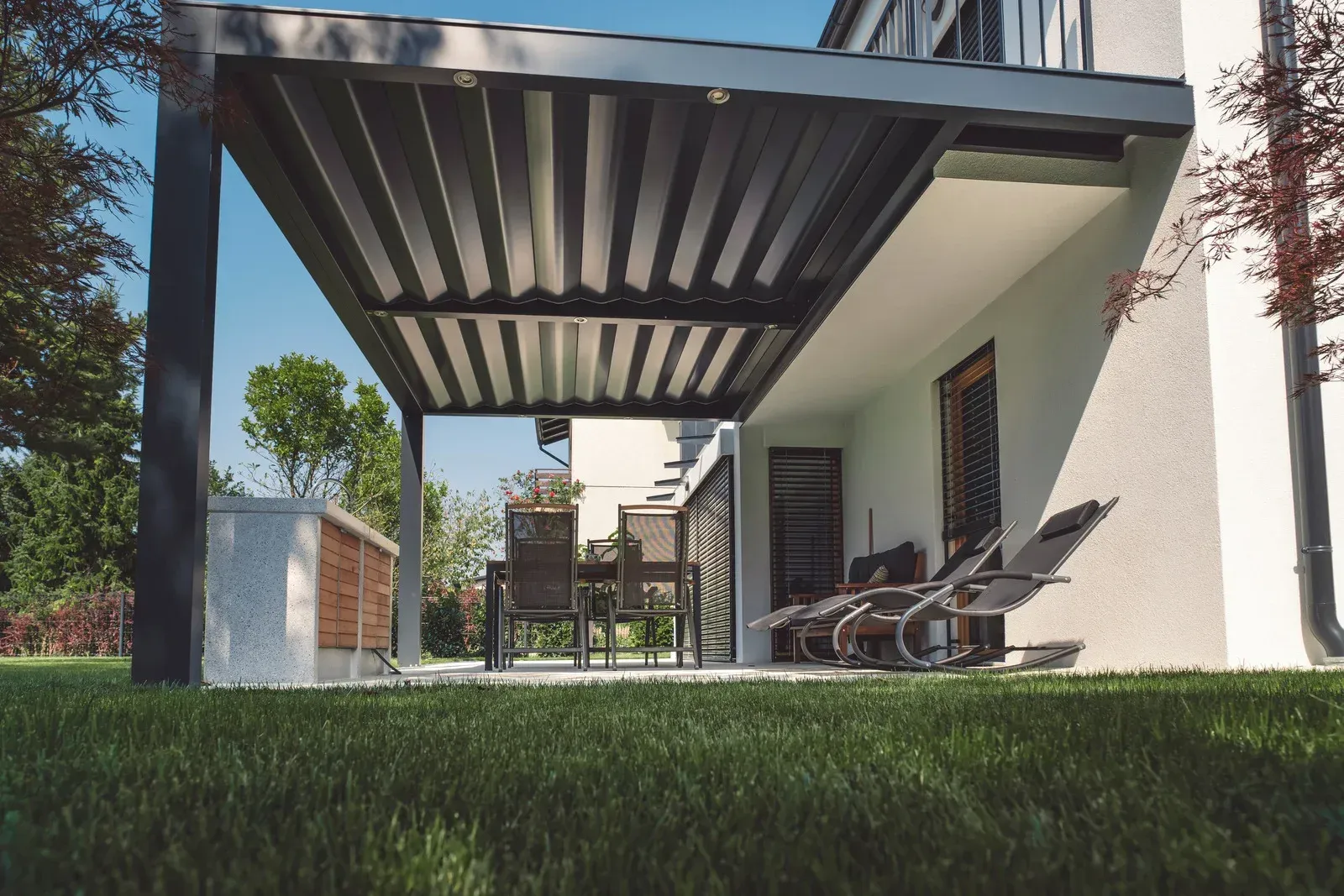
Metal roofs are a top choice for eco-conscious homeowners due to their longevity and energy efficiency. Often made from recycled materials such as aluminum or steel, metal roofs can last 50 years or more with minimal maintenance. They reflect heat, reducing the need for excessive air conditioning during hot summers, which is particularly beneficial in warmer climates like New Orleans. Additionally, at the end of their lifespan, metal roofs are 100% recyclable, ensuring minimal environmental impact.
2. Recycled Shingles: Affordable and Green
For those looking for a more traditional look, recycled shingles provide an excellent eco-friendly alternative. These shingles are often made from reclaimed asphalt, rubber, or plastic, diverting waste from landfills. Recycled shingles are designed to mimic conventional asphalt or slate roofs while offering improved durability and resistance to weathering. Choosing recycled shingles allows homeowners to support sustainable practices without sacrificing style or quality.
3. Green Roofs: Nature on Your Home
Green roofs, or living roofs, incorporate vegetation directly onto the roof surface. This innovative option offers superior insulation, reduces stormwater runoff, and improves air quality. Green roofs also provide a natural habitat for local wildlife and contribute to a cooler home environment by reducing the urban heat island effect. While initially more costly, the long-term energy savings and environmental benefits make green roofs an attractive option for eco-conscious homeowners.
4. Solar-Integrated Roofing: Energy-Generating Solutions
Solar shingles and panels represent a modern fusion of energy efficiency and roofing functionality. By harnessing the sun’s power, solar roofs reduce electricity bills while decreasing reliance on nonrenewable energy sources. Many solar-integrated systems are designed to blend seamlessly with traditional roofing materials, maintaining aesthetic appeal while providing sustainable energy. For homeowners looking to embrace renewable energy, solar roofing is a forward-thinking solution that offers both environmental and financial benefits.
5. Clay and Concrete Tiles: Timeless and Sustainable
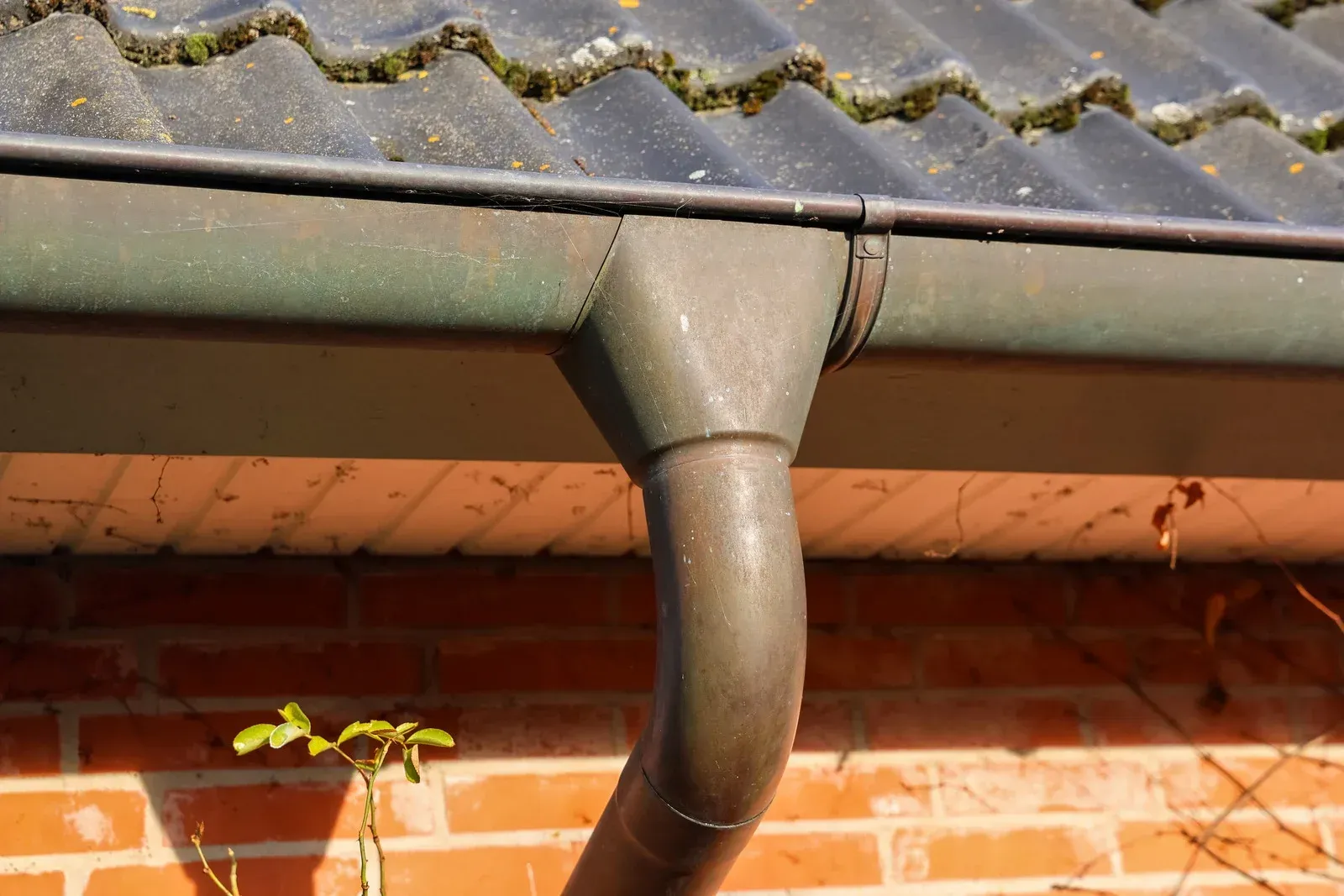
Clay and concrete tiles are naturally durable, fire-resistant, and recyclable at the end of their life cycle. Their long lifespan, often exceeding 50 years, reduces the frequency of roof replacement and contributes to lower environmental impact. Additionally, these materials provide excellent thermal performance, keeping homes cooler in summer and warmer in winter. Their classic aesthetic makes them a popular choice for homeowners seeking a sustainable yet elegant roofing solution.
Partnering with Experts for Sustainable Roofing
Choosing the right eco-friendly roofing option is essential for modern homeowners who value sustainability, efficiency, and long-term savings. At Joe’s Gutters & Patios
in New Orleans, LA, we bring 20 years of experience in providing
high-quality roofing and home improvement solutions. Our team helps homeowners select and install the most suitable sustainable roofing materials, ensuring durability, beauty, and environmental responsibility. By partnering with experts who understand both modern trends and local conditions, you can confidently invest in a roofing solution that benefits your home, your wallet, and the planet.