How to Choose the Right Patio Cover Type for Your Home
Assessing Your Outdoor Space
Before you fall in love with a style on Pinterest, audit the space you actually have. Start with the basics: measure the patio (length, width, and height clearance), note the orientation (east-, west-, north-, or south-facing), and observe sun and wind patterns during different times of day. A west-facing patio that bakes in late-afternoon sun demands a different solution than a north-facing nook that’s mostly in shade.
Evaluate fixed constraints like door swings, window placements, gutters, downspouts, and any utilities or gas lines that could affect posts or footings. If you already have landscaping—trees, trellises, or garden walls—consider how a cover could integrate with or reroute these elements rather than fight them.
Finally, list privacy needs. If your neighbor’s second-story window overlooks your patio, you might want deeper coverage, privacy screens, or a roof style that blocks views without making the space feel cramped.
Considering Long-Term Value
Your patio cover should be a long-game investment. Consider not only up-front cost but also:
- Durability in your climate (humidity, wind, snow, salt air)
- Maintenance (sealing wood, cleaning fabric, gutter upkeep)
- Energy efficiency (shading adjacent windows can lower AC load)
- Resale appeal (timeless designs and quality materials hold value)
A slightly higher initial spend on weather-resistant materials can pay off with decades of service and fewer repairs. Also, a professionally built cover that complements your architecture can improve perceived square footage and boost marketability.
Factoring in Local Regulations
Before you finalize designs, check city or county permitting requirements and HOA guidelines. Regulations can govern height, setbacks, load ratings, anchoring, and fire resistance. Some neighborhoods limit color palettes or require pre-approval of visible structures. Research early, collect required site plans and spec sheets, and plan for inspections. Compliance protects safety, avoids fines, and ensures your investment is insurable.
Exploring Different Patio Cover Types
Solid Roof Patio Covers
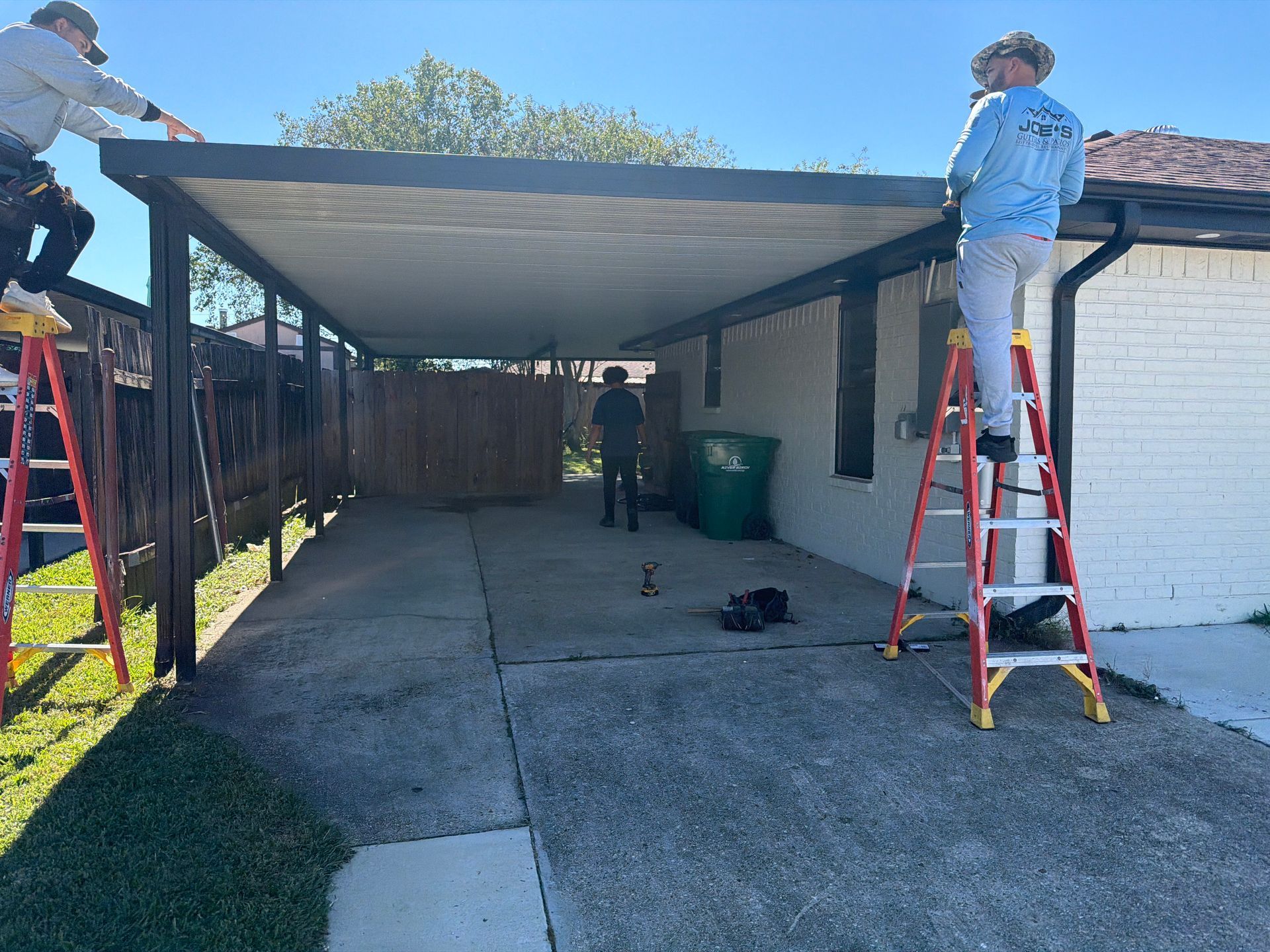
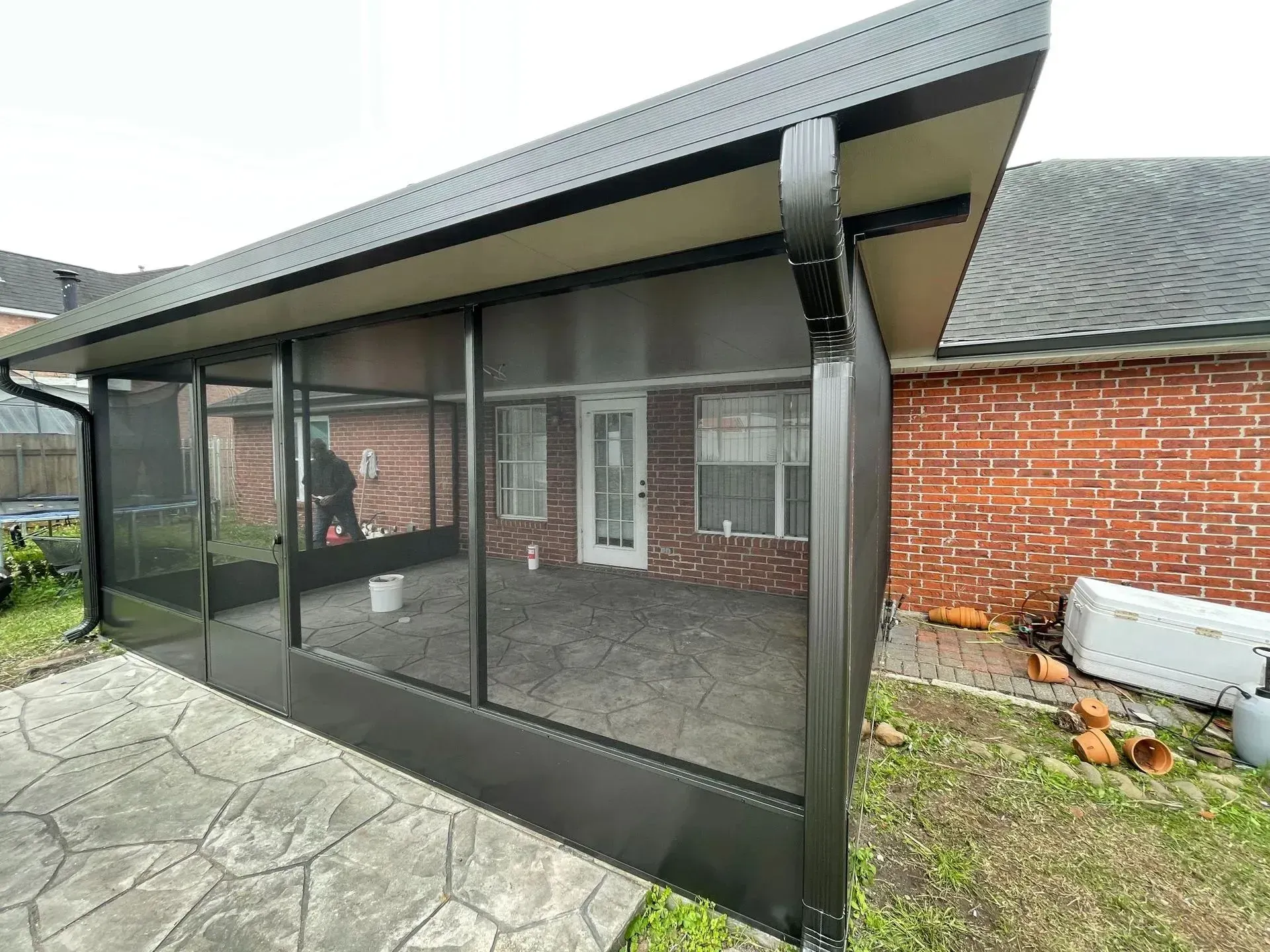
What they are: Continuous-roof structures—often flat, shed, or gabled—that provide full shade and rain protection.
Materials & performance:
- Wood: Classic warmth and versatility; needs periodic sealing or staining.
- Aluminum: Lightweight, rust-resistant, great in humid or coastal climates; low maintenance.
- Insulated panels (foam-core aluminum): Superior thermal comfort and sound dampening during rain; ideal for all-season use.
Pros: Best for year-round living, supports lighting/fans, protects furniture and decking, reduces interior heat gain.
Cons: Less natural light; can feel enclosed without skylights or strategic openings.
Best for: Homeowners who want maximum protection, frequent entertaining, outdoor kitchens, or a seamless interior-to-exterior transition.
Lattice & Pergola Covers
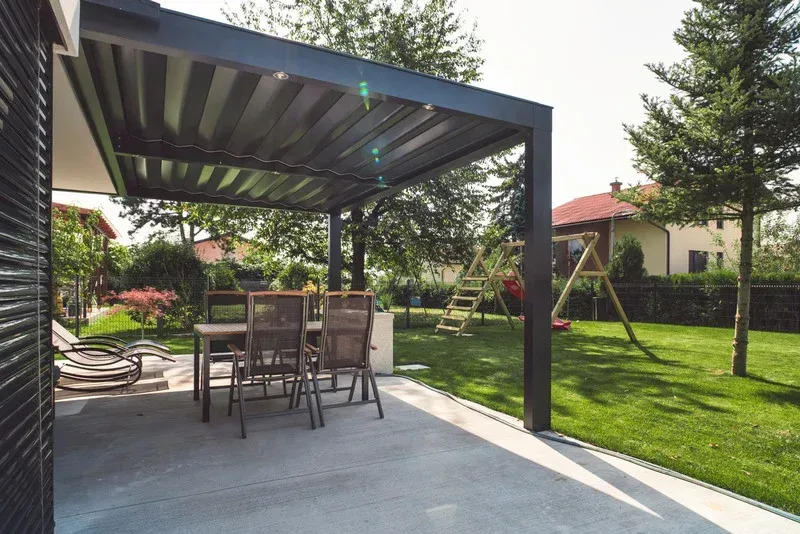
What they are: Open-frame structures that filter light rather than block it. Lattice uses slats in a grid; pergolas feature rafters and beams with optional shade cloths.
Materials & maintenance:
- Wood: Rich look but needs finish maintenance.
- Fiberglass/Composite/Aluminum: Minimal upkeep; holds color and shape.
Pros: Airy, sculptural, supports climbing plants, creates dappled shade.
Cons: Limited rain protection; shade depends on slat spacing and sun angle.
Best for: Gardens, pool decks, and patios where light and airflow matter more than rain cover. Add curtains or screens for privacy and retractable canopies for more shade.
Retractable Patio Covers
What they are: Awnings or motorized canopies that extend and retract as needed. Some systems use louvers or sliding panels.
Materials & operation:
- Frames: Aluminum or steel with corrosion-resistant finishes.
- Fabrics: Acrylics or PVC-coated textiles with UV and mildew resistance.
- Controls: Manual cranks to smart, app-connected motors with sun/wind sensors.
Pros: On-demand shade, energy savings, protects fabric/furniture by retracting in storms, sleek modern aesthetics.
Cons: Moving parts require maintenance; wind ratings and professional mounting are critical.
Best for: Patios with variable sun exposure, homeowners who want flexibility and modern controls.
Shade Sails and Fabric Covers
What they are: Tensioned fabric stretched between posts or building anchors—triangles and rectangles are common.
Customization: Multiple sails can layer for dramatic forms and targeted shade.
Durability: Look for HDPE or PVC-coated fabrics rated for UV resistance; inspect hardware regularly.
Pros: Cost-effective, fast installation, scalable to odd shapes.
Cons: Limited rain protection, needs proper slope for runoff, may require seasonal removal in harsh climates.
Best for: Budget-friendly shade, play spaces, modern design statements, renters or those avoiding permanent structures.
Maintenance and Repair
- Wood: Stain/seal cycles, potential rot repairs, hardware replacements.
- Aluminum/Vinyl: Minimal—cleaning and occasional fastener checks.
- Fabric: Periodic cleaning and eventual replacement of textiles.
- Retractables: Motor/service calls over the years; fabric replacement.
Investing in quality coatings, rustproof hardware, and proper drainage extends life and reduces upkeep.
Longevity and Replacement
- Aluminum: 25–40+ years with minimal care.
- Vinyl: 15–25 years; UV stability is key.
- Wood: 10–30 years depending on species and maintenance.
- Fabric: 5–10+ years for the textile; frames last longer.
Customizing Your Patio Cover Features
Lighting and Electrical Options
Plan wiring before construction for a clean finish. Mix task lighting (over grills), ambient lighting (recessed LEDs), and accent lighting (pendants, sconces). Ceiling fans improve comfort; exterior-rated outlets support heaters or speakers. Always follow code and use weather-rated components.
Privacy Enhancements
Add curtains, bamboo screens, louver panels, or plant trellises to block sightlines and soften noise. Semi-opaque materials maintain light while creating intimate zones.
Built-in Seating and Planters
Benches and planter boxes can define edges, conceal posts, and create cozy nooks. Use weather-resistant materials, allow for drainage, and match finishes to the cover for a unified look.
Smart Technology Integration
Consider app-controlled lighting, motorized shades, wind/sun sensors for retractables, and smart switches that tie into home ecosystems. Start with essential automations and expand as needs evolve.
Conclusion
Choosing the right patio cover is part design, part engineering, and part lifestyle planning. Start by assessing your patio’s dimensions, orientation, and traffic flow. Clarify your goals—shade, rain protection, entertaining, or a tranquil retreat—and then weigh materials and types against climate, budget, and maintenance reality. Solid roofs excel at all-weather use; lattice and pergolas deliver air and light; retractables offer switchable flexibility; and fabric solutions stretch dollars and creativity. Match the cover to your home’s architecture in scale, color, and detailing, and plan for smart lighting, privacy, and tech to elevate everyday comfort.
Recent Posts